Ramie: The Hidden Gem Among Natural Fabrics
Jump to section
Sustainable fashion is becoming increasingly popular. Compared to synthetic fibers, natural plant-based fibers are more likely to have a low or even zero carbon footprint throughout the entire production process, and they also consume fewer resources and produce fewer pollutants.
Ramie Revealed: The Eco-Friendly Fabric You Need to Know About
In the plant growth segment, ramie, as a hemp plant, uses fewer pesticides and chemical fertilizers, as well as less water, compared to cotton. Compared to linen, Ramie is a perennial plant. Once planted, ramie can grow continuously for more than ten years (and be harvested dozens of times), reducing labor costs and energy consumption during the planting process.
In the fabric application sector, ramie fiber is resistant to wear and tear due to its high strength. Its inherent antimicrobial and mildew-resistant properties reduce the need for chemical treatments during use. After recycling, ramie fibers will naturally degrade due to their biodegradability, minimizing harm to the natural environment. However, traditional ramie processing still causes contamination, primarily during the degumming process. Ramie is a bast fiber, and there is a large amount of gum between the fiber bundles, which must be removed as much as possible before spinning in order to improve the quality of the yarn.
In ancient times, people used rainwater to soak ramie fibers, and the microorganisms in the water would remove some of the gum, but the residual gum content remained high. Later, with the development of chemistry, mills were able to remove almost all of the gum using acids and alkalis. However, this method produces a large amount of wastewater, which is costly to treat and consumes a significant amount of energy.
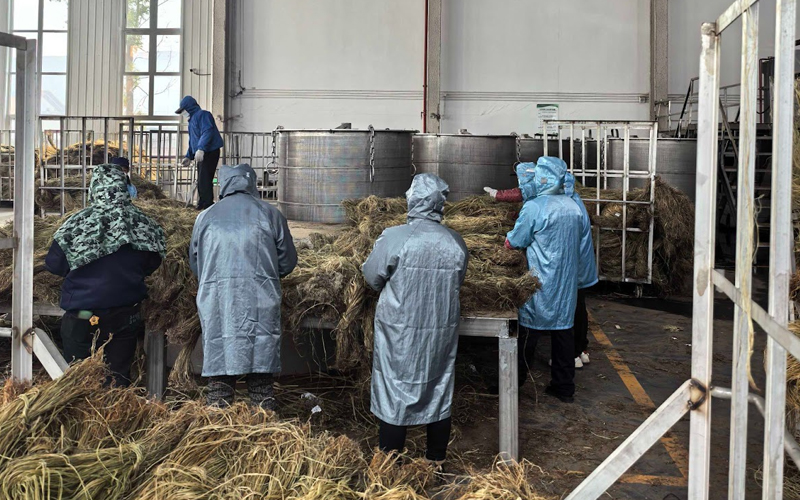
Nowadays, it is possible to use highly efficient biological enzyme degumming or microbial reaction pool degumming, which is much more environmentally friendly than chemical degumming and is the ideal solution for degumming. Unfortunately, at present, biological degumming still has issues such as a high residual gum rate and an unstable degumming effect, which require further research.
Why Ramie Deserves a Place in Your Wardrobe
Ramie fiber, a member of the hemp fiber family, shares the common advantages of hemp: high breathability, high moisture absorption, and high antibacterial properties. The first two features allow the wearer to stay cool even on hot summer days.
Compared to flax, ramie can be made into lighter and thinner clothing due to its finer fibers, which further enhances comfort. Ramie’s strong antimicrobial properties keep the clothing clean and less prone to odors, and reduce the risk of the wearer becoming ill.
Ramie also has its own unique characteristics. Ramie fibers have smooth surfaces, sections of rounded fiber cells, and high light reflectivity. After proper treatment, it may show a luster similar to that of silk. Because of its natural luster and silk-like feel, it is often called ‘plant silk’. Ultrafine ramie fiber feels wonderful to wear.
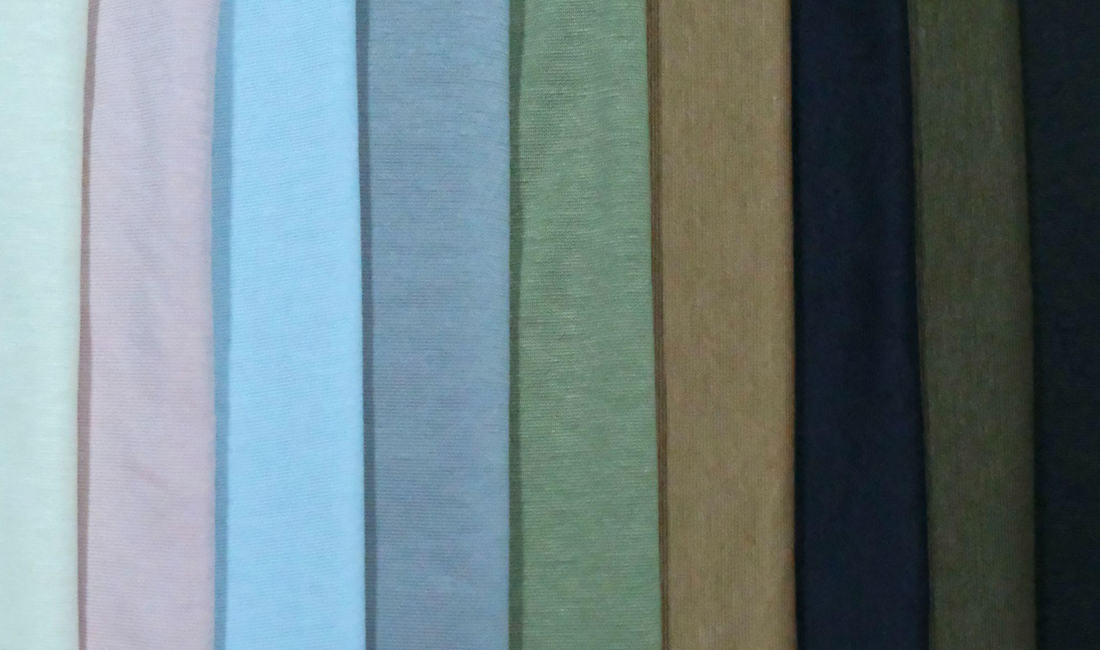
Currently, ramie fabrics can be categorized into 100% ramie and blended ramie. 100% ramie clothing features a distinctive hemp-like style with a refined appearance and excellent drape. Ramie fabrics blended with cotton can be made to resemble cotton fabrics in appearance, yet they retain the unique breathability and moisture-wicking properties of hemp fibers, while also being antibacterial and odor-resistant.
Overall, ramie fabrics are suitable for all seasons. Whether used for formal business attire or casual vacation outfits, ramie fabrics offer consumers a valuable, cost-effective experience.
The Future of Ramie
Currently, the main production and sales regions for ramie products are in East Asia, which means that the market scope is relatively limited.
First, for historical reasons, ramie is native to East Asia—primarily China and Malaysia—and other parts of the world do not have a cultural tradition of growing and using ramie products.
Second, ramie can only be grown in specific areas—namely, tropical and subtropical regions with sandy soil and monthly precipitation of 75–130 mm. In areas with lower temperatures and less precipitation, ramie yields will be drastically reduced, or it may even be impossible to grow the crop.
Third, ramie is still harvested exclusively by hand, without large-scale mechanization, which results in high costs. In the future, if the above problems can be resolved, ramie will be able to secure a position in the high-end textile market due to the high quality of its fibers.
As a plant fiber that has been used by humankind for thousands of years, ramie offers benefits that cannot be ignored. Ramie fibers produce very little waste during harvesting and processing, and the The entire ramie plant can be used, which means that ramie may become one of the preferred materials for zero-waste fashion As the concept of sustainable fashion becomes increasingly popular, the promotion and use of ramie can effectively contribute to the development of sustainable fashion.
No plant fiber is perfect, and ramie is no exception. If botanical research leads to the development of higher-yielding, cold- and drought-tolerant varieties, the cultivation of this crop could be expanded on a larger scale, increasing yields while reducing water usage.
Developing varieties with lower gum content can reduce resource consumption and pollution in the degumming process at the source, and can produce purer, higher-quality fibers. The development of varieties with finer fibers can broaden the applications of ramie fibers, expanding them from traditional uses in apparel and household goods to industrial applications such as packaging materials and construction materials.
If you'd like more information about Ramie, you can visit www.ramiefb.meealldemo.com

Chisato Ogino
Chisato Ogino, from Kaga City, Ishikawa Prefecture, is a graduate of Kanazawa Gakuin College and the College of Fashion Designers. With extensive experience in Apparel Design and Premium Textile Development, she has served as Chief Designer at Sanyo Corporation (VINVERT) and collaborated with leading brands such as MUJI, World, and CHISATO PLANNING.
Chisato specializes in Innovative Materials Research and Exhibition Planning for major companies, and has also served as a consultant and lecturer for industry organizations.
Want to Learn More About Our Products?
View All Products Now