What Is Ramie Fabric Made Of: Key Materials and Production Explained
Jump to section
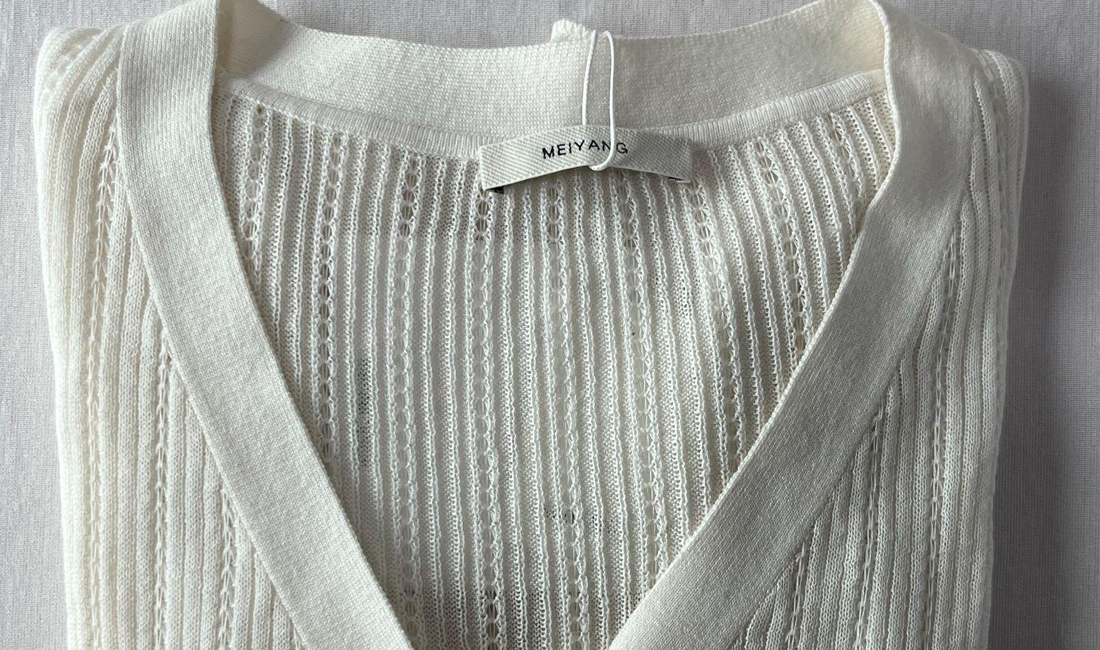
Ramie fabric comes from the cellulose fibers extracted from the stalks of the Boehmeria nivea plant, a member of the nettle family. The process begins with harvesting the plant, followed by separating and spinning its long, silky fibers into yarn, which is then woven into textiles.
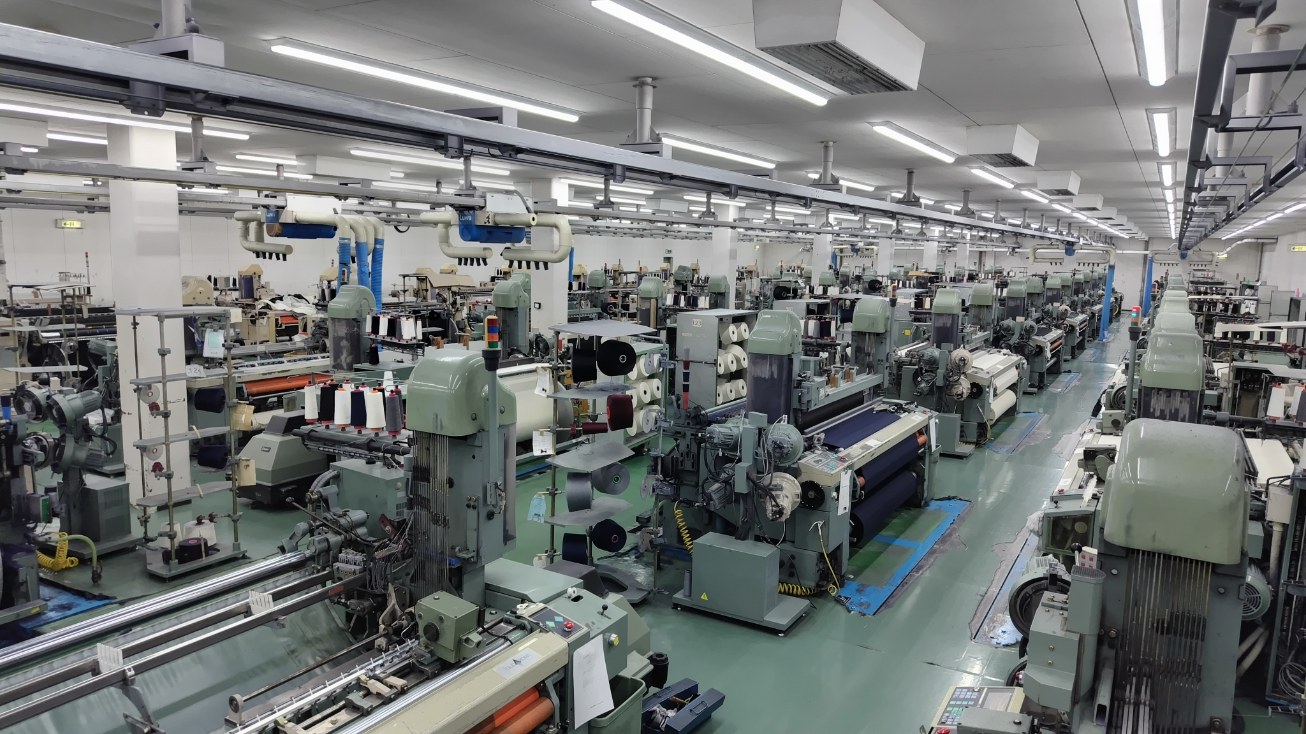
People have long valued ramie for its strength and durability. It’s stronger than flax or cotton, has a natural sheen, and takes dye well, so it offers both performance and style.
If you’re curious about sustainable materials or want to try something other than linen and cotton, ramie’s unique properties are definitely worth checking out.
Composition of Ramie Fabric
Ramie fabric is made from natural ramie plant fibers. Its main component is cellulose, but it also contains small amounts of lignin and pectin, each of which affects the fiber’s quality in its own way.
Sources of Ramie Plant Fiber
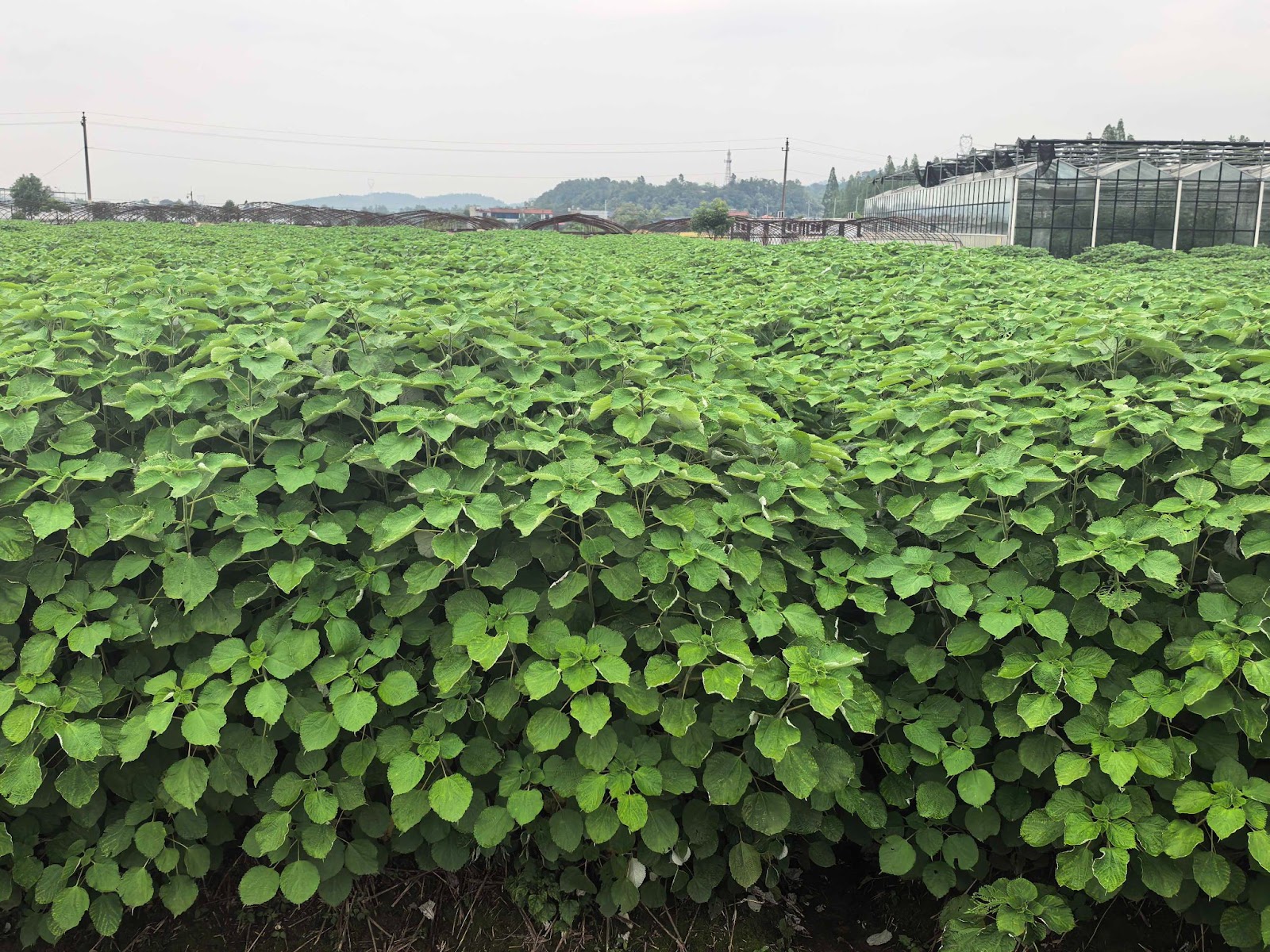
The fibers come from the stalks of Boehmeria nivea, which is sometimes called Chinese nettle. Most ramie is grown in China, though you’ll find fields in other parts of Asia as well.
Extracting the fibers isn’t exactly easy. First, the outer bark is stripped away to reveal the long, silky strands inside. Then, it’s all about cleaning and processing the fibers until they’re ready to be woven or knitted.
There is white ramie (from Boehmeria nivea) and green ramie (from Boehmeria utilis). White ramie is more common because it is finer and brighter. These stalks actually provide some of the longest and strongest plant fibers used in textiles.
Cellulose Content
Cellulose accounts for about 68–76% of ramie fiber, giving it strength, durability, and that crisp, shiny appearance.
It is this high cellulose content that helps ramie resist mildew and retain its shape, even after numerous washes. The cellulose molecules are arranged in neat chains, which contributes to the fiber’s smoothness and strength.
Table: Average Chemical Composition of Ramie Fiber
| Component | Percentage (%) |
| Cellulose | 68–76 |
| Lignin | 0.6–0.7 |
| Pectin | 1.9–2 |
| Others | 20–29 |
Lignin and Pectin Components
In addition to cellulose, ramie fibers contain smaller amounts of lignin and pectin. Lignin, at a concentration of about 0.6–0.7%, acts as a stabilizer in the cell walls, giving the fibers some rigidity.
Pectin accounts for about 1.9–2%. It acts as a kind of natural glue, holding everything together. Both lignin and pectin must be removed during processing to obtain the soft, flexible fibers desired in fabric.
The way these compounds balance each other out affects the fabric’s texture, strength, and how well it takes dye. Removing just the right amount is key to producing top-quality ramie textiles.
Extraction and Processing of Ramie Fibers
To obtain ramie fibers, the process begins with the plant’s inner bark. The material is harvested, separated, and cleaned until it is suitable for use in textiles.
Harvesting the Ramie Plant
Ramie is harvested when the plants are tall and mature to ensure optimal yield and quality. This happens a couple of times a year, since the plant regrows fairly quickly.
The stalks are cut close to the ground, and workers remove the leaves and outer branches right away. That way, they can get straight to the good stuff inside the stem.
Timing is crucial—very crucial. If harvesting is delayed, the fibers become tougher and less suitable for use as the plant begins to harden.
Decortication and Degumming
After harvest, the stems undergo decortication, which involves stripping away the outer bark and woody parts. This can be done by hand or by machine, but in either case, the goal is to reach the inner phloem, where the fibers are located.
Degumming comes next. Here, pectin, waxes, and resins are removed, usually by soaking the stems in water or treating them with mild alkaline solutions or enzymes.
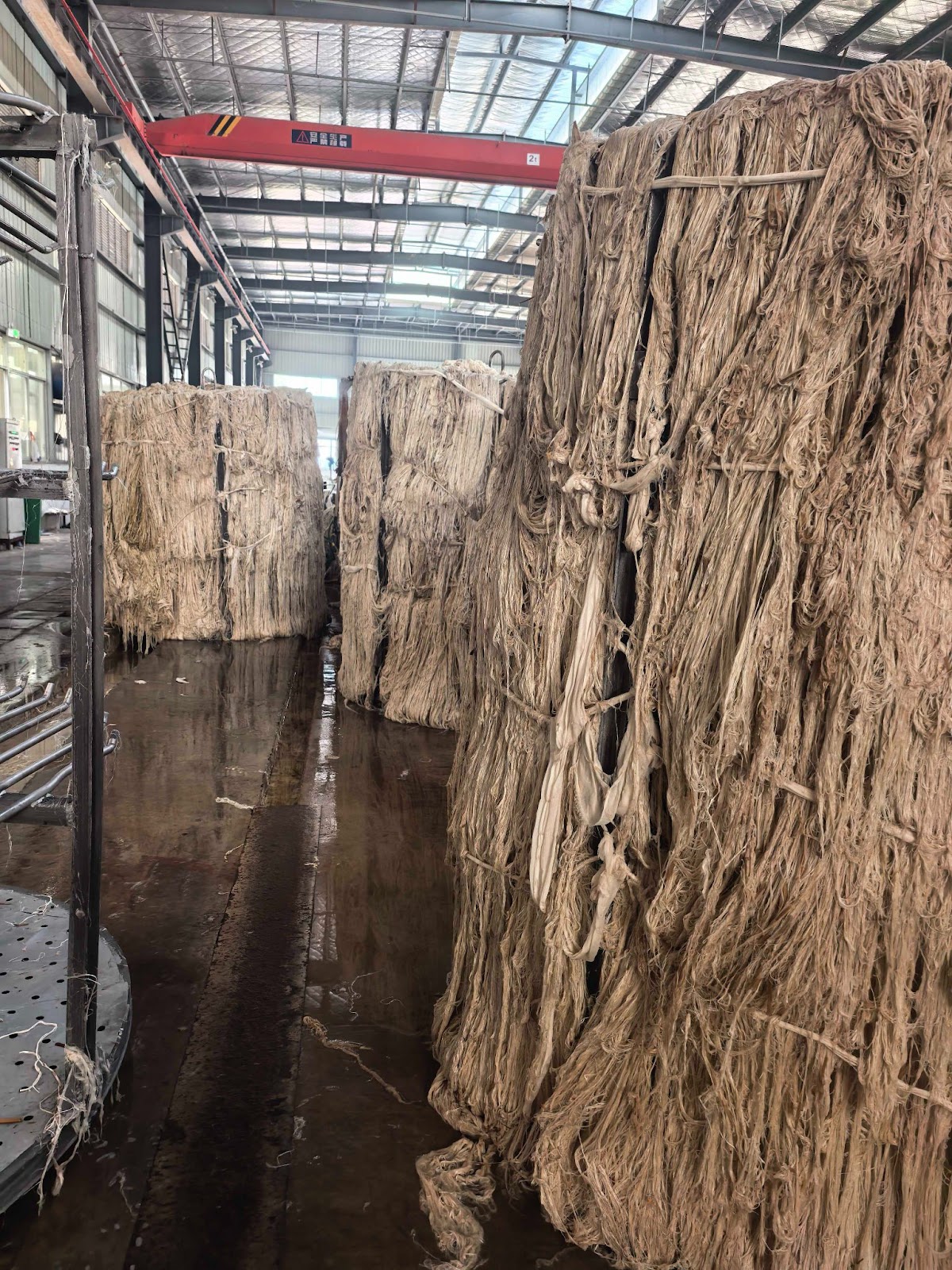
If decortication and degumming are not performed carefully, the fibers may be damaged or shortened, making them unsuitable for producing high-quality fabric.
Purification Techniques
The next step is purification—a deep clean to remove any remaining residue and smooth out the fiber surface. This usually involves boiling the fibers in a diluted alkaline solution and rinsing them thoroughly.
Sometimes, enzymes are used to make the yarn extra soft, and mechanical combing helps remove the last traces of debris. Quality checks are also conducted here to assess fineness, strength, and uniformity.
Once all that’s done, the fibers are finally ready to be spun into yarn and woven into fabric.
Spinning Ramie Fibers into Yarn
Once the ramie fibers have been thoroughly cleaned and purified, the next major step is spinning. Because ramie fibers are naturally stiff and brittle compared to cotton or wool, spinning them into yarn requires careful handling.
The purified fibers are first aligned and combed to ensure they run parallel to each other, which helps produce a smoother, stronger yarn.
The fibers are then drawn out and twisted together, either by hand or using spinning machines. This twist gives the yarn its strength and flexibility.
Sometimes, ramie is blended with other fibers, such as cotton or polyester, during the spinning process to improve its softness and durability.
Weaving or Knitting into Fabric
After spinning, the resulting ramie yarn is ready to be woven or knitted into fabric.
In weaving, yarns are interwoven at right angles using a loom to create various types of textiles, such as lightweight summer fabrics or more structured materials for household goods. Ramie’s natural luster and strength make it ideal for crisp, breathable textiles.
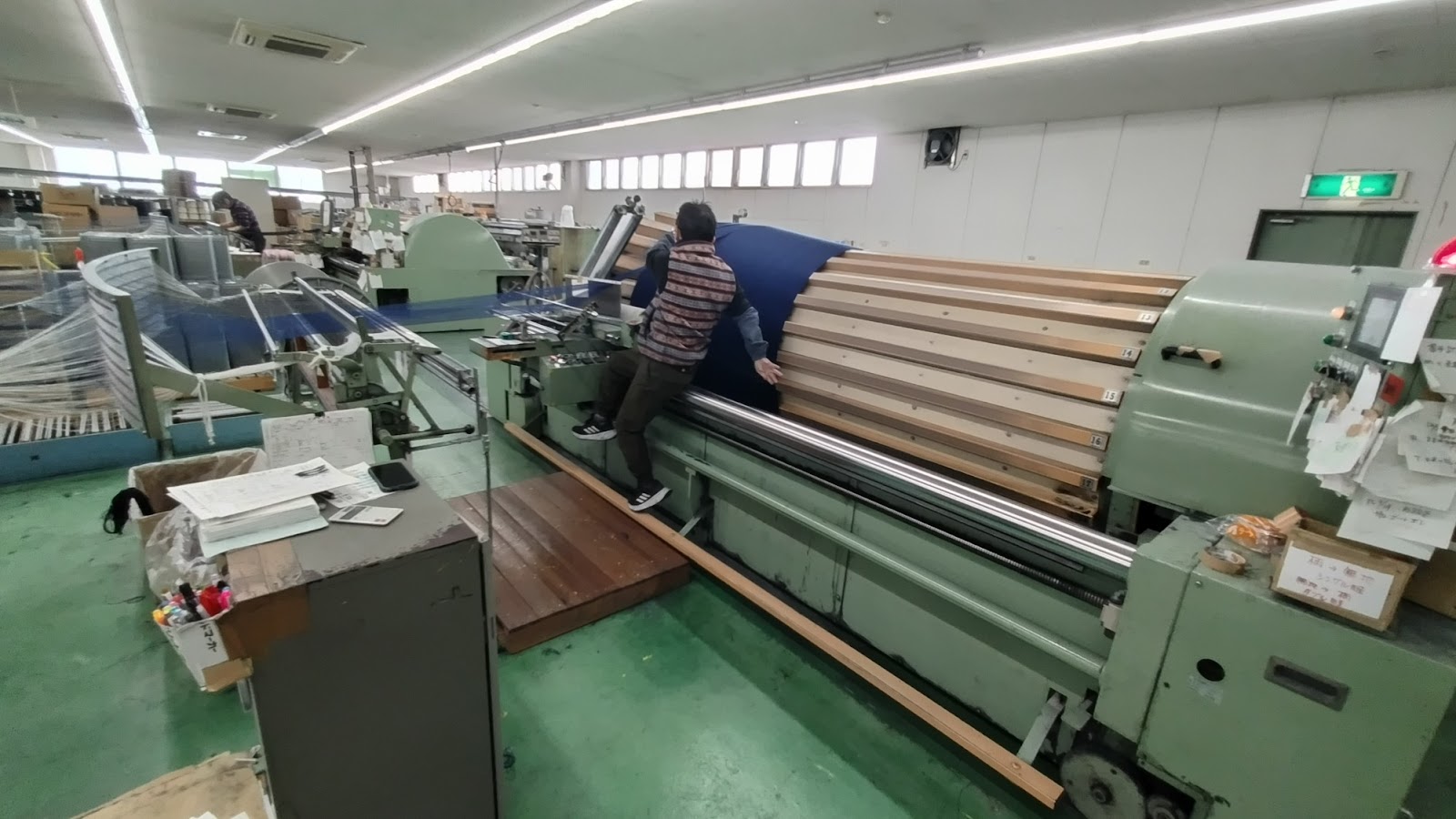
For knit fabrics, ramie yarn is looped together to create stretchy and comfortable materials suitable for garments such as sweaters and socks.
Finishing Processes
Once woven or knitted, the fabric undergoes several finishing steps to enhance its properties and appearance, including bleaching to achieve a uniform color, dyeing to produce rich hues, and softening treatments to make the final product more comfortable against the skin.
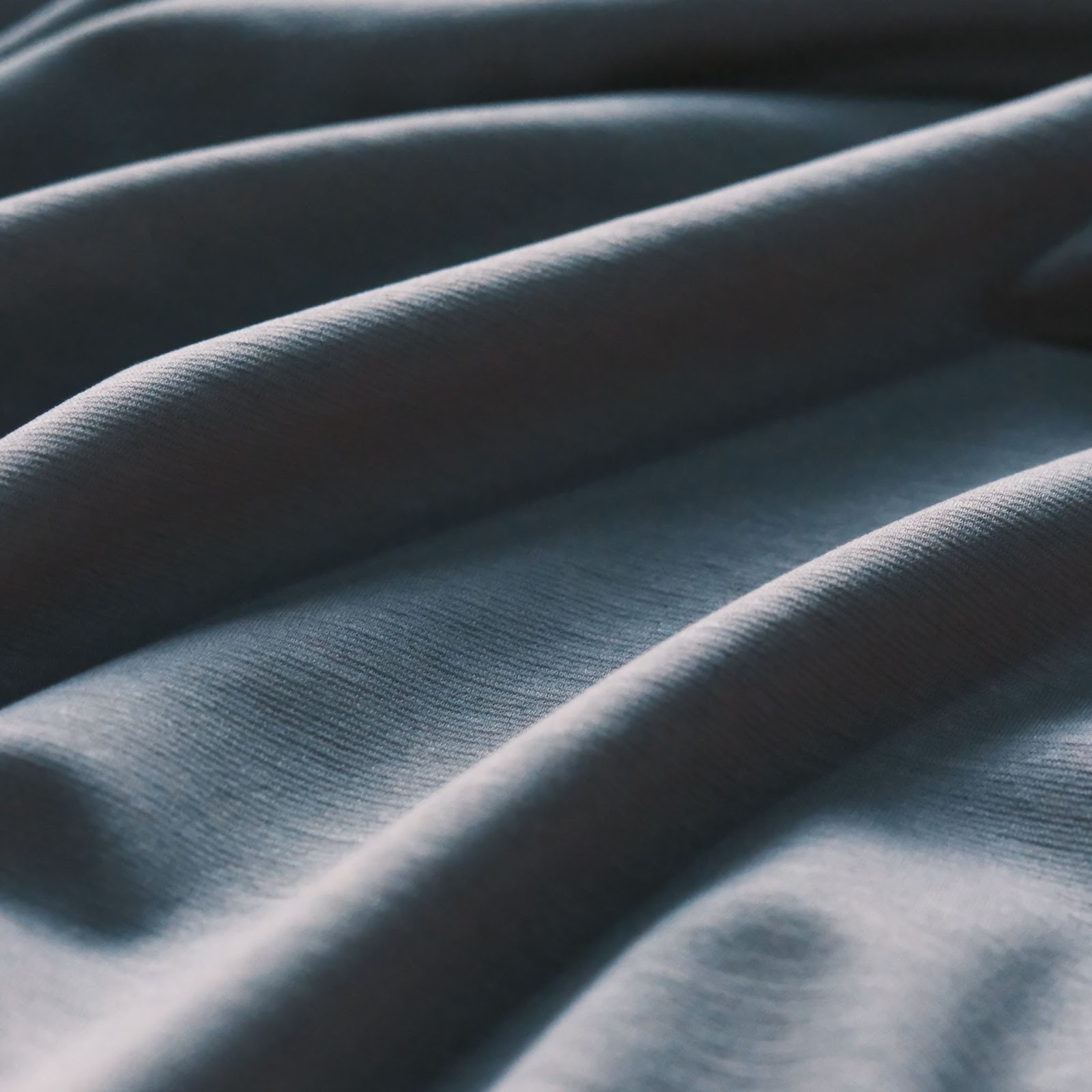
Sometimes, the fabric is also mercerized to enhance its luster and strength. Quality control checks are conducted at each stage to ensure that the final fabric meets industry standards.
Properties of Ramie Fabric
Ramie is known for its exceptional strength and absorbency. These qualities make it a go-to choice in the textile industry for a number of reasons.
Strength and Durability
Ramie is known for its exceptional strength, which exceeds that of cotton and linen, and is highly resistant to wear and tear. In fact, its strength increases when wet, making it particularly suitable for items that require frequent washing.
Ramie fibers do not stretch, shrink, or wear out easily, allowing textiles and garments to retain their shape for long periods of time.
In addition, ramie is naturally resistant to bacteria, mold, and insects. However, the fibers can be stiff or somewhat brittle, which is why ramie is often blended with other fibers to make it softer.
Moisture Absorption
Ramie has impressive moisture-absorbing properties, making it comfortable to wear in hot weather. It quickly absorbs and releases moisture, allowing your skin to breathe and keeping you cool.
This quick-drying property makes it perfect for clothes, towels, and linens—you won’t have to deal with damp fabric for long. Plus, it helps prevent bacteria from growing, so your items stay fresher and cleaner.
Ramie also takes dye well, so the colors remain bright and vibrant even after washing. All in all, you get a fabric that’s breathable, cool, and comfortable in all kinds of conditions.
Common Applications and Blends
Ramie is used in all sorts of ways, thanks to its strength and breathability. It’s popular for summer clothing, such as shirts, dresses, and lightweight pants.
It also appears in home textiles such as tablecloths, napkins, curtains, and upholstery. Its durability means it can withstand frequent use and washing without falling apart.
Industrial applications include canvas, ropes, twine, and even specialty papers. Its resistance to mold and mildew is a real advantage for these products.
Ramie is usually blended with other fibers to adjust its texture or performance. Here are some common blends:
- Ramie-cotton: The cotton adds softness and improves absorbency.
- Ramie-polyester: Improves wrinkle resistance and overall strength.
Manufacturers choose different ramie blends depending on what they’re making. For example, ramie-cotton works well for casual shirts, while ramie-linen is great for summer clothing and home décor.
Looking for Natural Fabrics?
If you’re looking for high-quality natural fabrics, YZ005 is an excellent choice. Made from a ramie blend, this fabric is exceptionally soft and smooth to the touch. It offers impressive breathability and moisture absorption, making it ideal for summer clothing and high-end fashion items.
Interested in incorporating more natural materials into your designs? Visit www.ramiefb.meealldemo.com For more information and to explore a wide range of sustainable textile options.

Chisato Ogino
Chisato Ogino, from Kaga City, Ishikawa Prefecture, is a graduate of Kanazawa Gakuin College and the College of Fashion Designers. With extensive experience in Apparel Design and Premium Textile Development, she has served as Chief Designer at Sanyo Corporation (VINVERT) and collaborated with leading brands such as MUJI, World, and CHISATO PLANNING.
Chisato specializes in Innovative Materials Research and Exhibition Planning for major companies, and has also served as a consultant and lecturer for industry organizations.
Want to Learn More About Our Products?
View All Products Now