What Is Ramie Fiber: An Eco-Friendly Alternative in Textile Production

Jump to section
Ramie fiber, derived from the inner bark of the ramie plant, has been used in fabric production for thousands of years. This natural cellulose-based material has unique properties that distinguish it from other plant fibers.
The ramie plant is typically harvested several times a year, yielding a versatile fiber used in a wide range of products. From clothing and tablecloths to fishing nets and fire hoses, ramie’s applications span both everyday and specialized items. Its rigid yet porous structure contributes to its durability and potential for diverse uses.
Although not as widely recognized as cotton or linen, ramie offers several advantages. It requires minimal chemicals or pesticides for cultivation and processing, making it an environmentally friendly option. The fiber’s natural characteristics—including its strength and ability to retain its shape—make it valuable in the textile industry and beyond.
History of Ramie Fiber
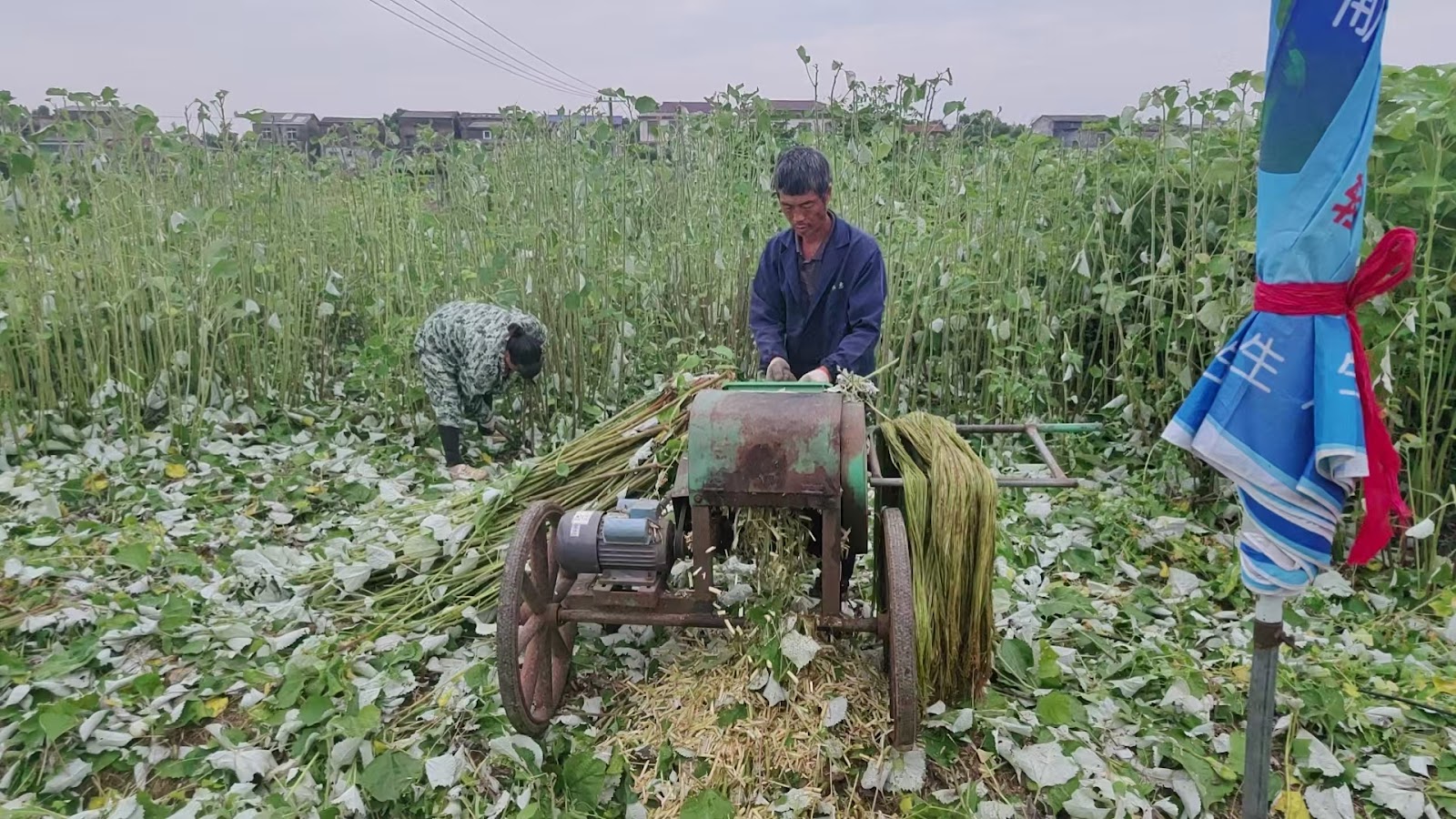
Ramie fiber It boasts an ancient heritage, with origins dating back at least 6,000 years. This natural textile fiber is believed to have first emerged on the Malay Peninsula.
The ancient Egyptians recognized ramie’s unique properties and used it to make mummy wrappings between 5000 and 3000 BC. The fiber’s resistance to bacteria and mold made it an ideal choice for preservation.
China has a long history of Ramie Cultivation and Use. For thousands of years, Chinese farmers have grown and processed ramie plants to produce textiles.
Over time, the use of ramie spread beyond Asia. European countries began importing ramie in the 18th century, intrigued by its strength and luster.
Despite its long history, ramie remained relatively unknown in the West until the 19th century. Increased global trade and innovations in textiles sparked renewed interest in this ancient fiber.
Today, ramie continues to be cultivated and used in textile production around the world. Its combination of traditional appeal and modern applications ensures its continued relevance in the textile industry.
The Ramie Plant
Ramie, scientifically known as Boehmeria nivea, is a flowering plant native to East Asia. It belongs to the nettle family Urticaceae and is cultivated for its valuable bast fibers.
Botanical Characteristics
Ramie is a perennial herbaceous plant that can grow 1.0 to 2.5 meters tall. It has distinctive heart-shaped leaves that are 7 to 15 cm long and 6 to 12 cm wide. The leaves are green on top and white underneath, covered with small, dense hairs.
The plant produces multiple stalks from a single rootstock. These stalks are the primary source of ramie fibers. Ramie flowers are small and inconspicuous, as is typical of plants in the nettle family.
A unique feature of ramie is its internal fiber structure. Unlike other plant fibers, ramie has a rigid, crystalline, yet porous physical structure.
Cultivation Practices
Ramie thrives in warm, humid climates with well-drained, fertile soil. It is primarily grown in China, Taiwan, Korea, and Brazil.
The plant is propagated by root cuttings or rhizome divisions. Ramie can be harvested multiple times a year, with each plant potentially yielding crops for up to 30 years.
Proper irrigation and fertilization are essential for optimal growth. Farmers typically harvest ramie when the lower stems turn brown, indicating that the fibers are mature.
After harvesting, the stalks undergo a decortication process to extract the valuable bast fibers. These fibers are then further processed for use in textiles and other applications.
Properties of Ramie Fiber
Ramie fiber has exceptional strength, durability, and absorbency. It offers a unique combination of physical properties and chemical composition that make it suitable for a variety of textile applications.
Physical Characteristics
Ramie fiber is one of the strongest natural fibers It is readily available. It has high tensile strength, exceeding that of cotton and flax. The fiber length ranges from 40 to 200 mm, with a diameter of 25–30 μm. This contributes to its durability and tear resistance.
Ramie has excellent elasticity, allowing it to return to its original shape after being stretched. The fiber is naturally white with a silky sheen, giving fabrics a luxurious appearance. Its fine texture resembles silk or linen.
The fiber’s high absorbency makes it comfortable to wear in hot climates. It effectively wicks moisture away from the skin. Ramie also offers good breathability and quick-drying properties.
Chemical Composition
Ramie fiber consists primarily of cellulose, similar to other plant-based fibers. It contains a higher percentage of cellulose than cotton, which contributes to its strength and durability.
The fiber has a low lignin content, which allows for Easy processing and dyeing. Ramie has good dye affinity, readily absorbing various dyes and producing vibrant colors.
Ramie's chemical structure gives it natural antibacterial properties. This makes it resistant to mold, mildew, and bacterial growth. The fiber is also highly resistant to rot and decay.
Ramie’s chemical composition allows it to blend well with other fibers. It enhances the properties of cotton blends, adding strength and luster. When combined with synthetic fibers, it improves moisture management and comfort.
Extracting and Processing Ramie
The extraction of ramie fiber involves several steps to transform the plant into usable textile material. The process requires careful handling to preserve the fiber's quality and strength.
Harvesting and Decortication
Ramie is harvested when the seeds form and the flowers begin to fall. Farmers cut the stems by hand or use mechanical harvesters. This is followed by decortication, which separates the fibers from the woody core.
This step involves either retting or mechanical methods. Retting involves submerging the stems in water, allowing microorganisms to break down the pectin. Mechanical decortication uses specialized equipment to strip the bark from the stems.
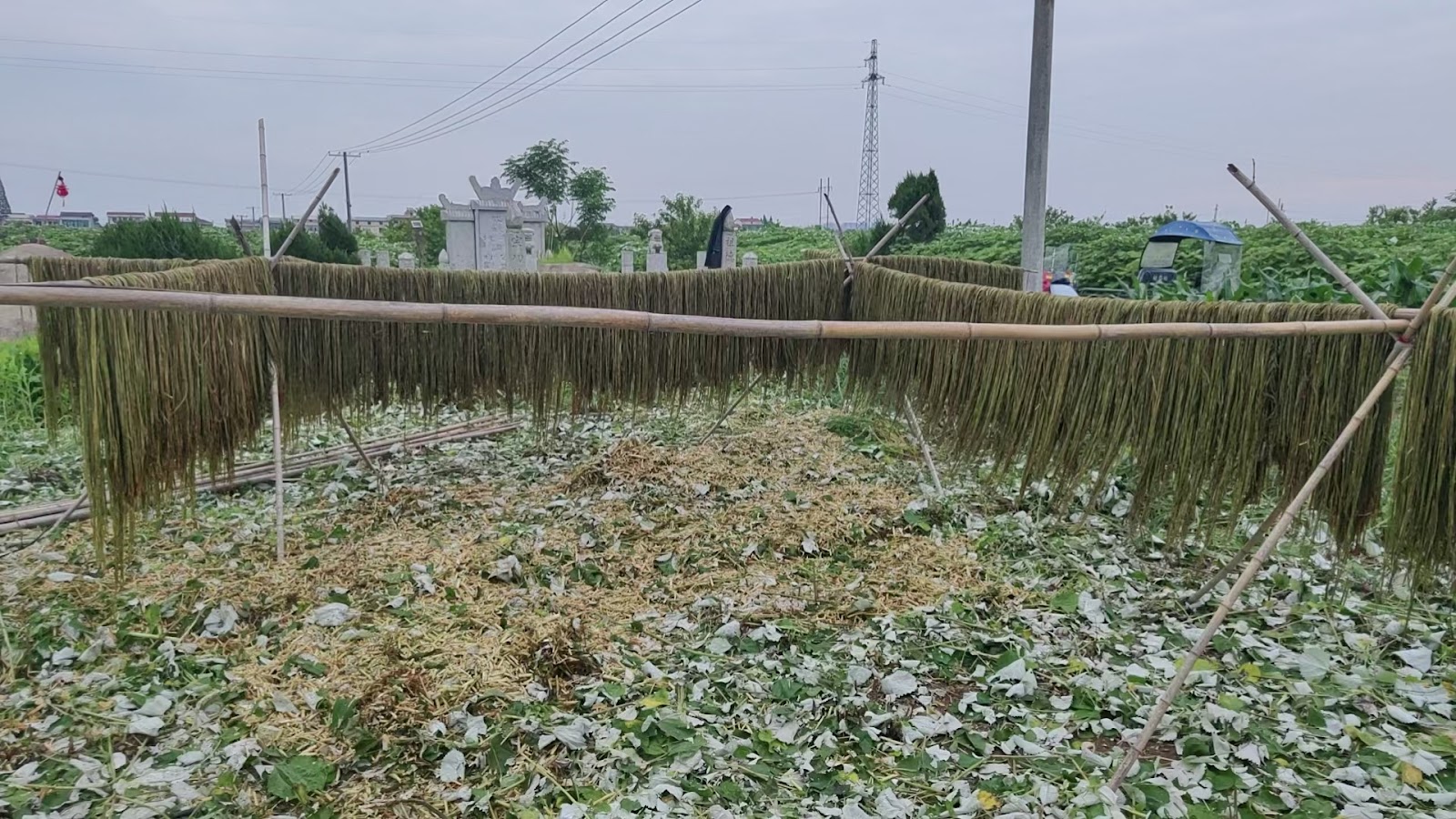
After decortication, workers wash the fibers to remove debris. Proper cleaning prevents mold growth. This is followed by drying, which prepares the fibers for further processing.
Spinning and Weaving
Ramie fibers undergo degumming to remove residual pectin and lignin. This is achieved through chemical treatments or enzymes. The cleaned fibers then proceed to the spinning process.
Spinning transforms fibers into yarn. Machines align and twist ramie strands together. The resulting yarn varies in thickness and texture depending on its intended use.
Weaving transforms ramie yarn into fabric. Looms interlace vertical (warp) and horizontal (weft) threads, creating various textures and patterns. Ramie’s strength allows for tight weaves, resulting in durable textiles.
Applications of Ramie Fiber
Ramie fiber has a wide range of applications across various industries due to its unique properties. Its strength, durability, and natural characteristics make it valuable for textiles and industrial uses.
Textile Industry
Ramie fiber is ideal for textile production. It produces lightweight, breathable fabrics with a silky sheen. Ramie blends well with other fibers, such as cotton or synthetic materials, enhancing their properties.
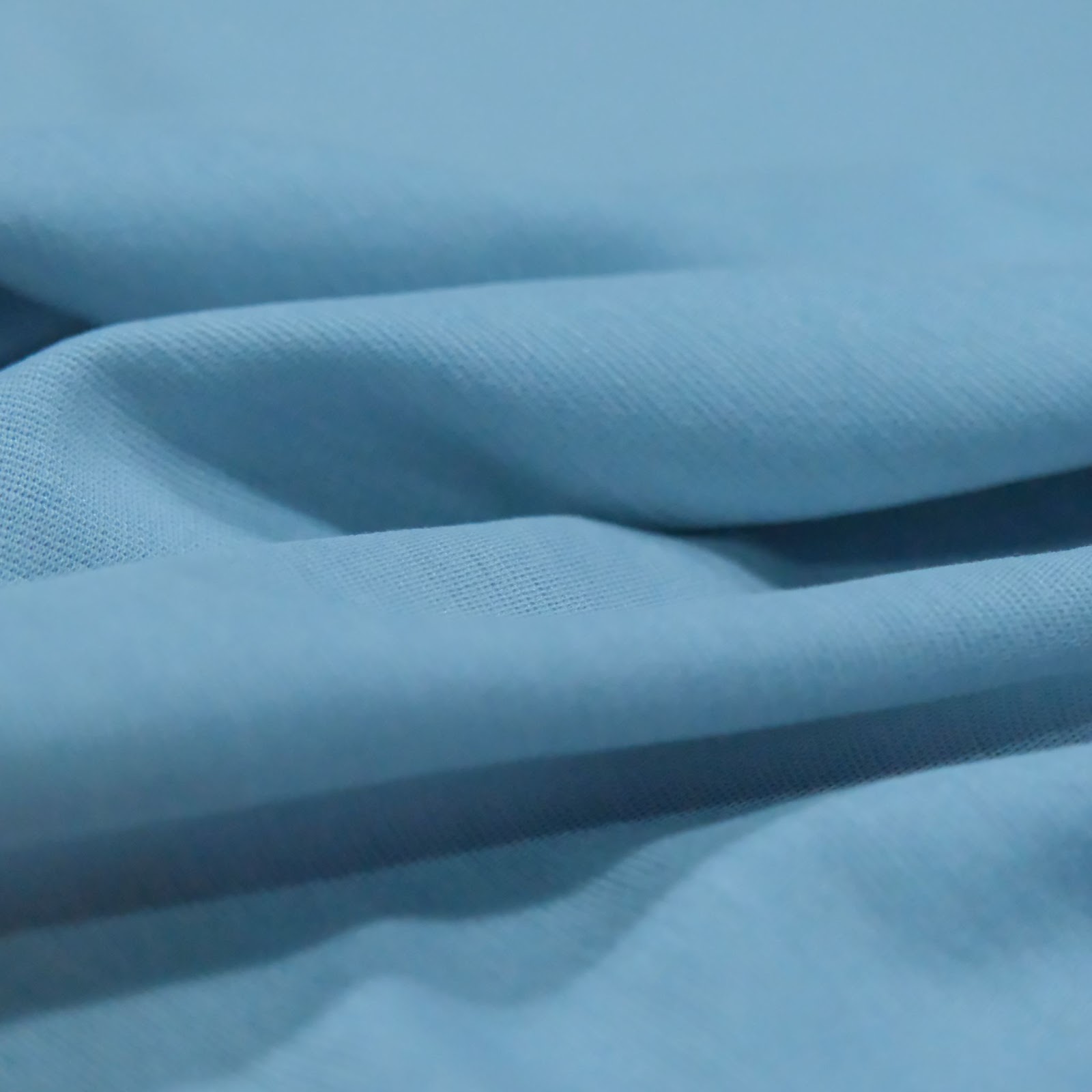
The fiber’s moisture-wicking properties make it ideal for summer clothing and sportswear. Ramie fabrics keep wearers cool and dry in hot weather. Its natural resistance to bacteria and mold also makes it suitable for medical textiles.
Ramie’s strength makes it possible to create thin, durable fabrics used in high-end fashion. Designers appreciate its ability to absorb dyes well, producing vibrant colors. The fiber’s stiffness provides structure to garments such as jackets and dresses.
Industrial Applications
Ramie’s durability makes it valuable for a variety of industrial applications. Its high tensile strength and resistance to rot make it ideal for producing ropes, twine, and cordage. These products are used in marine and agricultural settings.
The fiber’s durability makes it suitable for use in manufacturing fishing nets and filter cloths. Ramie composites reinforce materials used in the construction and automotive industries. Its fire-resistant properties make it useful for producing flame-retardant textiles.
Ramie fiber is also used in paper production. It is used to produce high-quality specialty papers with enhanced strength and durability. The agricultural sector uses ramie as a natural pesticide, taking advantage of its pest-control properties.
Environmental Impact
Ramie fiber offers several environmental benefits as a textile material. Its production and disposal have relatively low ecological impacts compared to many synthetic fibers.
Sustainability Factors
Ramie plants grow quickly and require minimal water and pesticides. The fiber extraction process uses less energy and fewer chemicals than the production of cotton or synthetic fibers. Ramie fabric is highly durable, reducing the need to replace garments frequently.
Its strength allows it to be blended with other fibers to improve their performance and durability. Ramie fabric production generates minimal waste, as most byproducts can be used for other purposes, such as paper manufacturing or animal feed.
Biodegradability
As a natural cellulose fiber, ramie is fully biodegradable at the end of its life cycle. It breaks down in soil without releasing harmful substances, reducing long-term landfill waste compared to synthetic textiles.
Ramie fabric does not release microplastics during use or washing, helping to prevent pollution of waterways and ecosystems. Its biodegradability also makes ramie suitable for composting, especially when blended with other natural fibers.
Economic Aspects
Ramie fiber offers several economic advantages for producers and manufacturers. As a renewable resource, it can be sustainably grown and harvested multiple times a year, ensuring a consistent supply and potentially lower production costs compared to some other fibers.
The durability and strength of ramie fabric also offer economic benefits to consumers. Clothing and textiles made from ramie tend to last a long time, reducing the need for frequent replacements.
Ramie has a wide range of applications across various industries, including clothing, home textiles, and industrial uses. Its versatility allows producers to target multiple market segments, potentially increasing profitability.
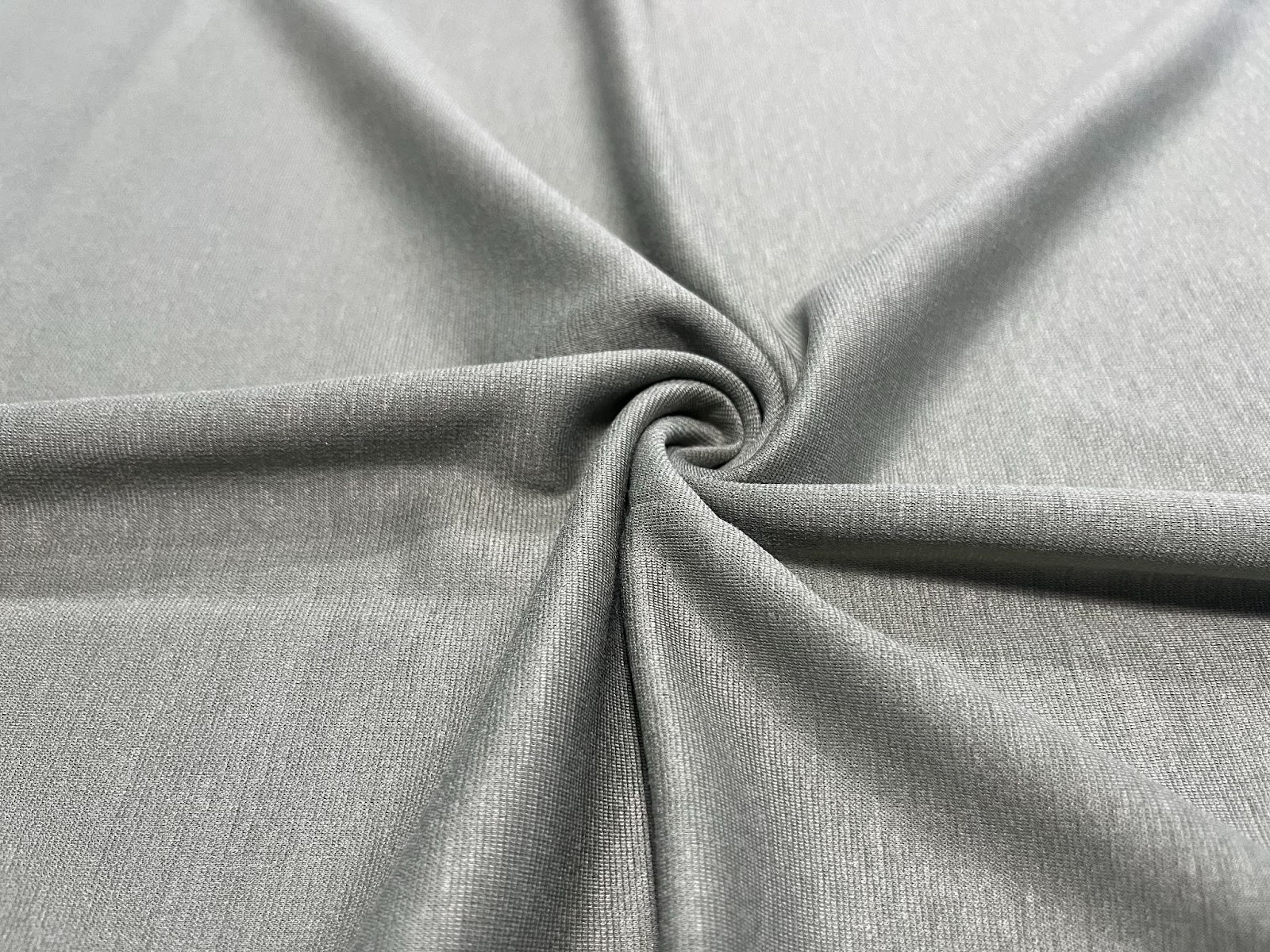
However, ramie processing can be labor-intensive and costly. The fiber requires specialized techniques for extraction and preparation. This may affect its economic competitiveness compared to some synthetic fibers or natural fibers that are easier to process.
Despite some processing challenges, ramie’s unique properties make it valuable for certain niche markets. High-end fashion, specialty textiles, and industrial applications take advantage of ramie’s strengths, supporting its economic viability in these sectors.
Caring for and Maintaining Ramie Products
Proper care is essential to maintain the quality and durability of ramie fabric. Washing ramie items in cold water with a mild detergent helps preserve the fibers. Avoid using harsh chemicals or bleach, as these can damage the fabric.
Ramie dries quickly, but it’s best to air-dry garments to prevent shrinkage. Hanging items or laying them flat to dry works well. Ironing may be necessary, as ramie tends to wrinkle easily.
For stubborn wrinkles, use a steam iron on a medium setting. Place a damp cloth between the iron and the fabric for added protection. Avoid high heat, which can weaken the fibers.
Store ramie clothing in a cool, dry place away from direct sunlight. Sunlight can cause the fabric to fade over time. Folding or hanging items properly prevents unnecessary creases.
Ramie’s natural resistance to bacteria and mildew makes it less prone to odors. Regular washing is still important to maintain freshness. Spot cleaning can remove minor stains between washes.
Professional dry cleaning is an option for delicate or structured ramie garments. However, most ramie items can be safely cared for at home with gentle handling and proper washing techniques.
Discover Trusted Ramie Solutions with RamieFabric
If you're looking for high-quality ramie fiber, yarn, or fabric, RamieFabric is your trusted specialist. With our own cultivation base, spinning mill, and fabric factory, we provide one-stop services from raw materials to finished products. Visit https://ramiefb.meealldemo.com to learn more.

Chisato Ogino
Chisato Ogino, from Kaga City, Ishikawa Prefecture, is a graduate of Kanazawa Gakuin College and the College of Fashion Designers. With extensive experience in Apparel Design and Premium Textile Development, she has served as Chief Designer at Sanyo Corporation (VINVERT) and collaborated with leading brands such as MUJI, World, and CHISATO PLANNING.
Chisato specializes in Innovative Materials Research and Exhibition Planning for major companies, and has also served as a consultant and lecturer for industry organizations.
Want to Learn More About Our Products?
View All Products Now