Common Misconceptions About Ramie Care and Maintenance: An Expert Guide

Jump to section
Ramie, a strong and breathable natural fiber, requires careful handling to preserve its crispness, sheen, and durability.
Despite its durability, many misconceptions—such as the belief that it can withstand rough washing, high heat, or fabric softeners—can cause damage. Understanding proper care ensures that ramie retains its texture, shape, and longevity.
In this guide, we’ll debunk common myths, explain best practices for washing, drying, ironing, and storage, and highlight special considerations for related fabrics such as rhea or ramie canvas.
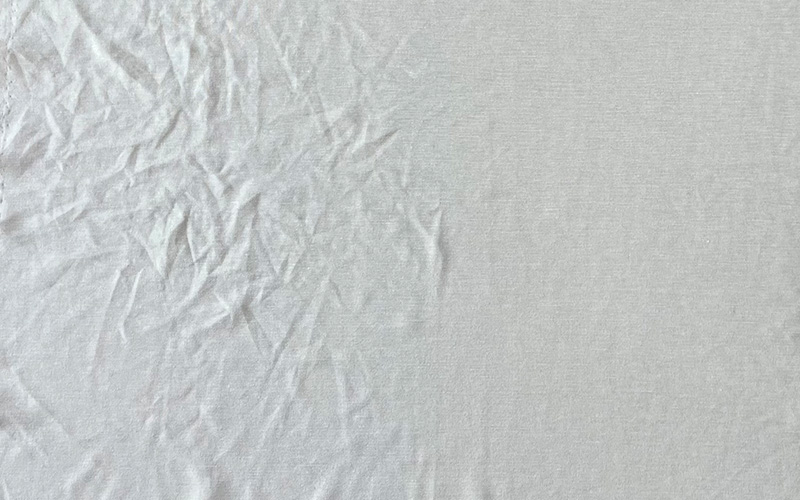
Common Misconceptions About Ramie
There are several common misconceptions about ramie that can lead to improper care. Understanding these myths helps preserve its strength, crispness, and breathability.
- Ramie can withstand rough washing—actually, it loses strength when wet and needs to be washed gently.
- High heat during drying or ironing is safe—excessive heat causes shrinkage and stiffness; low heat or air drying is best.
- Fabric softeners make ramie softer—they can reduce breathability; gentle washing naturally softens the fiber.
- Ramie behaves like cotton or linen—unlike cotton, ramie is less elastic and retains its crispness.
- Treating ramie like other fabrics won’t damage it—but improper handling can shorten its lifespan and damage its texture.
Best Practices for Caring for Ramie
To ensure Your ramie items To keep it in top condition, it’s important to follow some basic care guidelines.
- How to Wash Ramie
- How to Dry Ramie
- How to Iron and Press Ramie
- How to Store Ramie
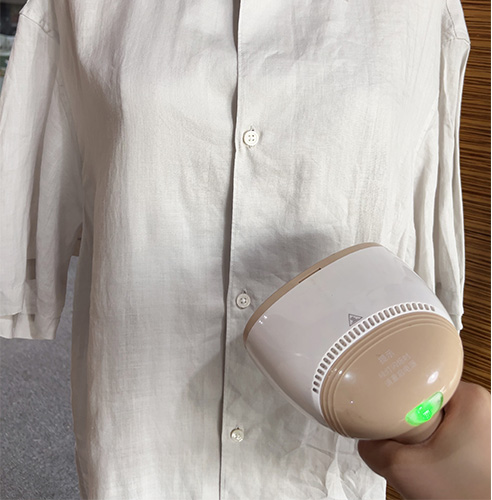
How to Wash Ramie
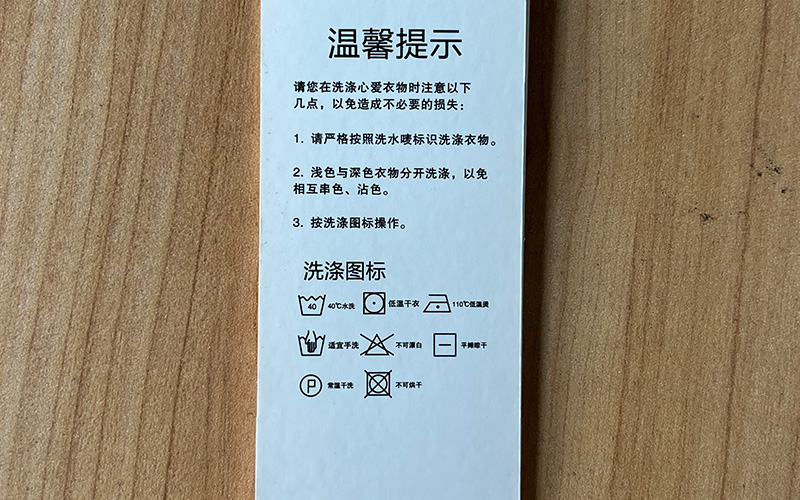
Handle ramie gently when washing, as the fiber weakens when wet. Use cold or lukewarm water with a mild liquid detergent that does not contain bleach or fabric softeners.
Turn garments inside out to reduce surface wear. Hand washing is best, but a gentle machine cycle is acceptable if the garments are washed separately from heavy fabrics.
Press out excess water with a towel instead of wringing it out. For stains, test diluted detergent on an inconspicuous area before treating the rest of the garment.
How to Dry Ramie
Dry ramie in a well-ventilated area at a low temperature. Avoid using hot dryers, as high temperatures can cause shrinkage and brittleness.
Lay the fabric flat on a towel or hang it in a shaded, well-ventilated area. If using a dryer, set it to the lowest heat setting and remove the items while they are still slightly damp.
Keep ramie away from rough surfaces or tight clips to prevent marks. Allowing it to dry gradually helps preserve its drape and sheen.
How to Iron and Press Ramie
Iron ramie at a medium temperature or on the “linen/cotton” setting. For best results, use a steam iron or press the fabric while it is still slightly damp.
Always iron on the reverse side or use a pressing cloth to protect the surface. Move the iron gently to avoid flattening the weave.
Light misting helps smooth out wrinkles. Quick, light pressing adds structure without causing damage.
How to Store Ramie
Store ramie in a clean, completely dry place to prevent mildew. Keep it in a cool, dry place away from sunlight and humidity.
Fold garments loosely to prevent stretching. If wrinkles appear, air them out or gently steam the fabric.
Use breathable cotton bags or acid-free tissue paper for protection. Avoid plastic containers, which trap moisture and weaken the fibers.
Special Considerations When Caring for Ramie
Ramie is strong, smooth, and resistant to wrinkling. Gentle washing and drying with cold or lukewarm water and a mild detergent help keep its fibers intact.
High heat and harsh chemicals can weaken ramie and cause colors to fade. Rope made from ramie should be rinsed in cool water and air-dried, taking care not to twist or stretch it while it is wet.
Canvas containing ramie fibers should be spot-cleaned and washed gently. Iron on medium heat to restore its shape without causing damage.
Caring for rhea, a related fiber, involves air-drying it and ironing it while it is still slightly damp to prevent scorching.
Frequently Asked Questions
Is ramie fabric suitable for sensitive skin?
Ramie is a natural, smooth, and breathable fiber. Most people with sensitive skin find it comfortable, as it contains no synthetic additives.
Some people may experience mild irritation from plant fibers. Washing the item with a mild detergent before use can help soften the fabric and remove any residue.
Does ramie fabric shrink after washing?
Ramie is durable and generally does not shrink if washed properly. High heat or vigorous machine cycles can cause slight tightening and minor shrinkage.
Wash in cold or lukewarm water and air-dry in the shade to maintain the weave's integrity and preserve its luster.
Can you machine-wash ramie fabric?
Ramie can be machine washed on a delicate or low-agitation cycle with mild detergent. Avoid strong detergents or bleach, which break down the fibers.
Wash ramie separately or with lightweight fabrics to reduce friction. Air-drying it flat or on a hanger helps preserve its shape and texture.
How do you remove wrinkles from ramie fabric?
Ramie fabric is made from fine bast fibers and tends to wrinkle easily because it doesn't stretch much. To remove wrinkles, iron the fabric while it is still slightly damp, using a low to medium heat setting.
Use a steam iron or place a pressing cloth over the fabric to protect it from heat marks. If you don't want to iron, hang the fabric in a steamy bathroom to smooth out light creases.
Avoid pressing directly on dry ramie, as this may weaken or flatten the fibers.

Chisato Ogino
Chisato Ogino, from Kaga City, Ishikawa Prefecture, is a graduate of Kanazawa Gakuin College and the College of Fashion Designers. With extensive experience in Apparel Design and Premium Textile Development, she has served as Chief Designer at Sanyo Corporation (VINVERT) and collaborated with leading brands such as MUJI, World, and CHISATO PLANNING.
Chisato specializes in Innovative Materials Research and Exhibition Planning for major companies, and has also served as a consultant and lecturer for industry organizations.
Want to Learn More About Our Products?
View All Products Now