Ramie: The Sustainable Fiber for a Greener Future—Explained
Jump to section
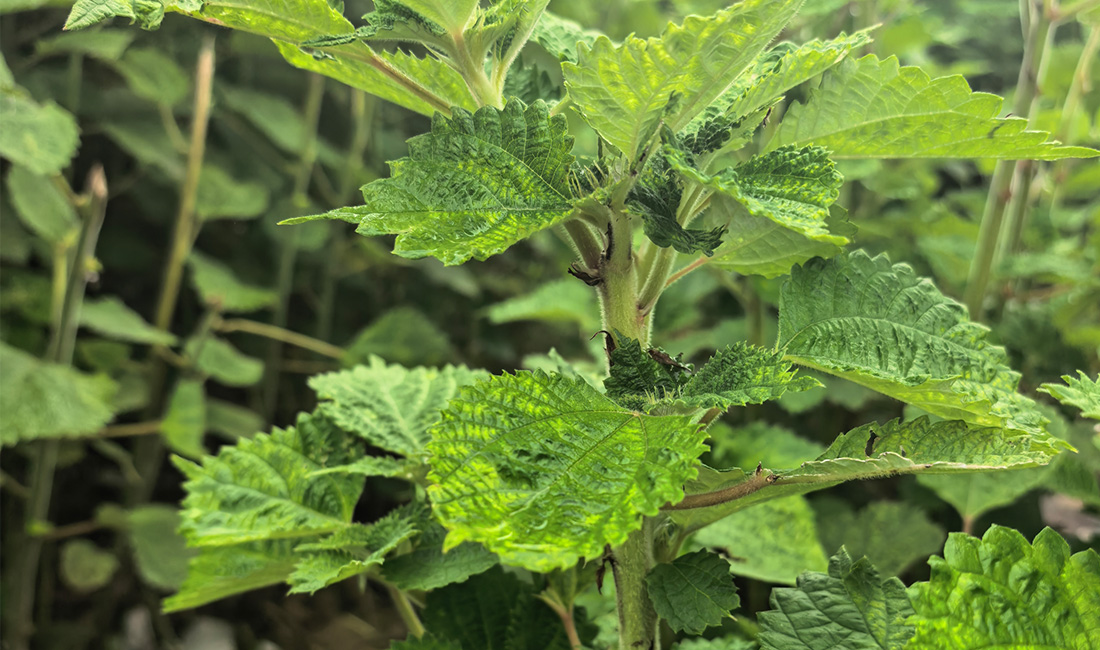
Ramie is a natural plant fiber derived from the stalks of the Boehmeria nivea plant, valued for its strength, durability, and low environmental impact.
Known for its smooth texture, antibacterial properties, and excellent dye retention, ramie is used in apparel, home textiles, and technical fabrics.
Its minimal water and pesticide requirements, renewable harvest cycles, and biodegradability make it an eco-friendly alternative to cotton, linen, and synthetic fibers.
This article explains ramie’s origins, production process, sustainability benefits, and modern applications, highlighting why it is gaining attention in the green fashion and textile industries.
What Is Ramie Fiber?
Ramie is a natural fiber prized for its strength, smooth texture, and low environmental impact. Its low water requirements and biodegradable nature make it a good choice for eco-friendly textiles.
Origins and Uses of Ramie Fiber
Ramie fiber comes from the stalks of the Boehmeria nivea plant, a perennial native to East Asia. China has been cultivating ramie for thousands of years to make ropes, nets, and fine fabrics.
Today, ramie It is used in clothing, upholstery, canvas, and paper. It is often blended with cotton, wool, or synthetic fibers to improve texture and strength.
Ramie is resistant to bacteria and mold, making it suitable for home linens and industrial textiles.
How Sustainable Are Ramie Fabrics?
A life-cycle analysis is conducted below to assess the sustainability of ramie fabrics.
Sourcing
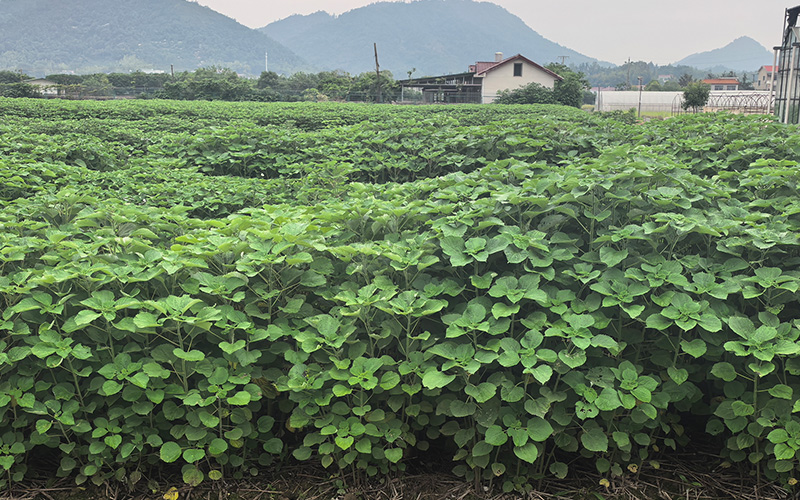
Farmers grow ramie from the Boehmeria nivea plant, which produces bast fibers inside its stem. They harvest these fibers several times a year because the plant regrows quickly.
Ramie grows mainly in China, India, and Southeast Asia. It thrives in warm, humid climates with moderate rainfall, reducing the need for irrigation.
The plant requires little fertilizer or pesticides and helps store carbon in the soil.
Processing
Processing transforms raw stems into usable fibers through decortication and degumming. Machines remove the outer bark and woody material to expose the fiber.
Traditional degumming uses chemicals and heat, but newer enzyme- or microbe-based methods reduce pollution. Efficient processing and clean wastewater practices help minimize environmental impacts.
Manufacturing
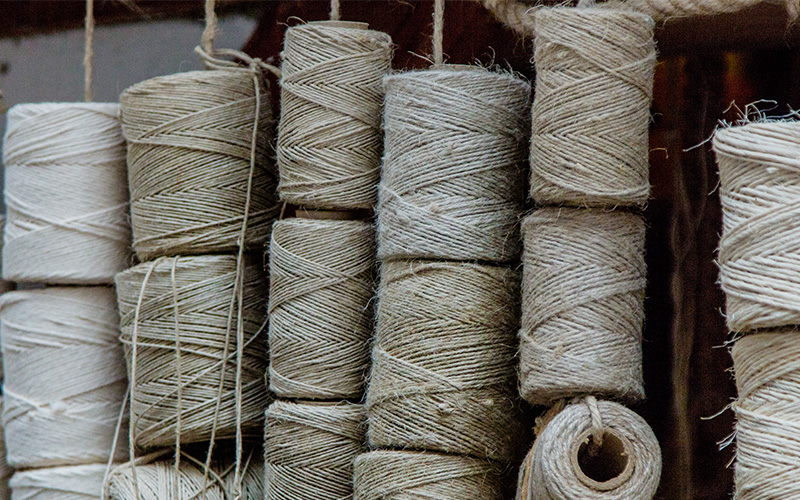
Manufacturing involves spinning, dyeing, and finishing the fibers to produce yarns and fabrics. Spinning machines twist fibers into threads, and dyeing adds color.
Using low-impact dyes and closed-loop water systems reduces pollution. Blending ramie with other fibers can improve durability and texture.
Transporting
Most ramie is grown in China and must be transported long distances to reach factories and stores. Shipping raw fibers increases the carbon footprint due to fuel consumption.
Localizing supply chains and using ocean freight instead of air transport reduces emissions. Optimizing routes also reduces energy consumption.
Usage
Ramie fabric is strong, breathable, and resistant to bacteria and mildew. Clothes made from ramie retain their shape and resist wrinkling, reducing the need for frequent washing.
Its durability means fewer replacements are needed. Washing in cold water and air-drying reduces the environmental impact.
End-of-Life of Ramie Fabrics
When no longer in use, ramie fibers biodegrade and compost naturally. Pure ramie can decompose within months under composting conditions.
Recycling ramie into paper pulp or new yarns extends its lifespan. Untreated ramie releases fewer toxins in landfills than many processed fabrics.
Environmental Impact of Modern Uses
Ramie is a natural, sustainable fabric prized for its strength and biodegradability. It helps the textile industry reduce its reliance on synthetic, petroleum-based fibers and has a smaller environmental footprint during cultivation.
In sustainable fashion, designers use ramie for its breathability and moisture-wicking properties, especially in summer clothing. Brands often blend ramie with cotton or linen to enhance durability and comfort.
Ramie is used in home textiles such as curtains and upholstery because of its resistance to bacteria and mold. This reduces the need for chemical treatments and improves indoor air quality.
The automotive and consumer goods sectors use ramie composites for interior panels, ropes, and filters, replacing plastic materials and reducing waste.
| Application Area | Environmental Benefits |
| Sustainable Fashion | Reduced chemical and water use |
| Home Textiles | Improved air quality and durability |
| Automotive & Consumer Goods | Reduced plastic waste and CO₂ emissions |
Frequently Asked Questions
Can ramie fabric cause skin irritation in people with sensitive skin?
Ramie fabric is a natural fiber made from the inner bark of the Boehmeria nivea plant. Its smooth, fine strands and natural luster reduce friction against the skin.
The fiber is generally free of harsh chemicals and has antimicrobial properties, so it rarely causes irritation. People with sensitive skin often tolerate ramie well, especially when it is processed with enzymes rather than harsh chemicals.
How does the production of ramie fiber affect the ecosystem compared to linen?
Farmers grow ramie as a perennial crop in warm, humid regions. They can harvest ramie several times a year, which reduces the need to rotate crops.
Ramie requires fewer pesticides and less water than many other natural fibers. Linen, made from flax, typically yields only one harvest per season.
Ramie’s multi-harvest cycle and enzyme degumming use less water and fewer chemicals. These methods help maintain soil quality and reduce wastewater pollution.

Chisato Ogino
Chisato Ogino, from Kaga City, Ishikawa Prefecture, is a graduate of Kanazawa Gakuin College and the College of Fashion Designers. With extensive experience in Apparel Design and Premium Textile Development, she has served as Chief Designer at Sanyo Corporation (VINVERT) and collaborated with leading brands such as MUJI, World, and CHISATO PLANNING.
Chisato specializes in Innovative Materials Research and Exhibition Planning for major companies, and has also served as a consultant and lecturer for industry organizations.
Want to Learn More About Our Products?
View All Products Now