Ramie vs. Linen: Which Fabric Is Better for Summer Comfort?
Jump to section
Ramie is stronger and more absorbent than linen, but linen stays cooler and softer with wear, making it the better overall choice for summer clothing. Both natural fibers offer excellent breathability and comfort because their plant-based structures allow air and moisture to move freely through the fabric.
This post explains how each fiber’s origin, texture, and sustainability affect comfort in everyday use. It covers the characteristics of ramie and linen, how they compare in terms of durability and care, and which fabric is best suited for summer wardrobes.
What Is Ramie Fabric?
Ramie is a natural fiber known for its smooth texture, moisture-wicking properties, and breathability. Its fine yet durable structure makes it ideal for lightweight summer clothing that stays cool and comfortable even in humid weather.
Definition and Origin
Ramie comes from the inner bark of the Boehmeria nivea A plant also known as Chinese nettle or China grass. This perennial plant grows in humid climates throughout East and Southeast Asia. Farmers harvest it multiple times a year, which contributes to its sustainability.
The extraction process removes a sticky gum from the fiber, leaving long, shiny strands. These strands create a fabric with high tensile strength due to the crystalline structure of its cellulose. For the user, this means ramie can withstand frequent washing and long-term wear without losing its shape.
In ancient China, ramie was used to make fine textiles and ceremonial garments. Today, it remains prized for its silky appearance and its ability to retain bright colors, making it a renewable choice for sustainable apparel.
Uses of Ramie
Ramie is used in both clothing and household products. In clothing, it is often blended with cotton or polyester. This blending reduces stiffness and makes the fabric drape more easily. The resulting textiles are used for shirts, dresses, skirts, and lightweight jackets designed for warm weather. Because ramie absorbs moisture efficiently—up to 12% of its weight—it works well for garments worn in hot, humid climates.
In the home goods sector, ramie’s strength makes it suitable for use in table linens, curtains, upholstery, and ropes. Its resistance to bacteria and mold also makes it practical for use as towels or reusable bags.
| Feature | Practical Benefits |
| Moisture-wicking and breathable | Keeps skin cool when worn in the summer |
| Smooth, lustrous surface | Gives a refined look similar to silk |
| Strong cellulose structure | Extends the life of the fabric |
For users, this means clothing that feels crisp, resists tearing, and remains comfortable in hot weather.
Pros and Cons of Ramie
Ramie offers clear benefits, but it also requires careful maintenance. Below is a brief overview:
Pros
- High durability because its long fibers hold up well through repeated washing.
- Excellent breathability, allowing airflow that prevents heat buildup.
- Moisture Absorption that helps wick sweat away from the skin.
- Eco-Friendly Regeneration, since plants regrow quickly after harvest.
- Color Retention, which helps preserve rich colors after dyeing.
Cons
- Wrinkles easily Due to a lack of elasticity, ironing is often necessary.
- Stiff feel in its pure form, so blending enhances its softness.
- Low stretch, which limits its use in tailored garments.
In practice, ramie performs exceptionally well in breathable summer clothing, especially when combined with softer fibers. It keeps the wearer cool and dry while maintaining a polished appearance with proper care.
What Is Linen Fabric?
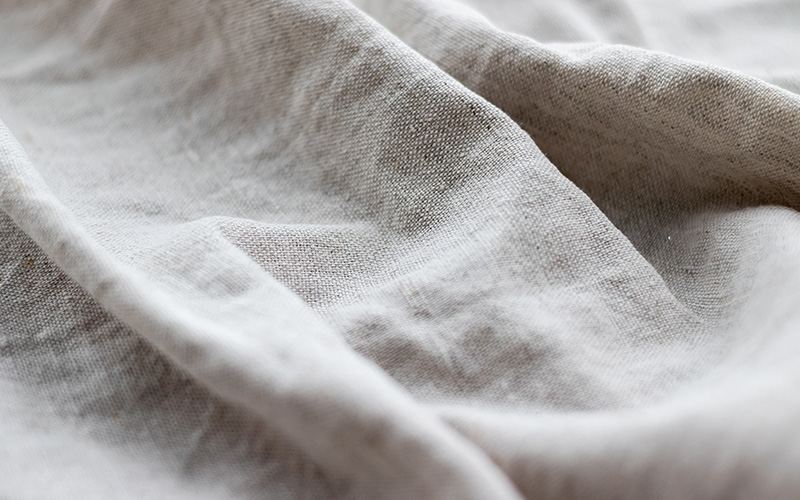
Linen is a natural fiber made from the stalks of the flax plant (Linum usitatissimum). The production process involves retting, drying, and spinning the plant fibers into yarn. These steps require time and care, which is why linen often costs more than mass-produced fabrics.
Definition and Origin
Linen comes from the flax plant and is prized for its coolness, breathability, and ability to wick away moisture. Because air flows easily through its fibers, it helps the body stay comfortable in warm weather, making it a reliable choice for summer wear.
Archaeological evidence shows that linen was used in Ancient Egypt for clothing and burial shrouds more than 4,000 years ago. It later spread through Europe and Asia, remaining important for both home textiles and clothing.
Because flax can grow in cooler climates and requires less water than cotton, linen has a lower environmental impact. For the user, this means a breathable and durable fabric that supports sustainable production practices.
Uses of Linen
Linen plays many roles in both fashion and home goods. In the fashion industry, it is popular for lightweight shirts, pants, dresses, and jackets. The fabric’s open weave allows air to flow freely, while its moisture absorption helps keep the skin dry.
In home décor, linen is used for bed sheets, tablecloths, pillows, and curtains. Its natural texture gives it a casual, timeless look. Because it resists pilling and holds up well to frequent washing, it performs well in everyday use.
Industrial applications include canvas, upholstery, and bookbinding, where durability is more important than softness. In practical terms, linen’s versatility means that a single fabric can be used in clothing, home decor, and crafts without compromising its functional strengths.
Pros and Cons of Linen
Linen offers exceptional comfort and durability, but like many natural fibers, it has a few quirks. Below is a simple overview:
Pros
- Excellent breathability Thanks to its open-weave fabric, it allows for a steady flow of air that keeps the wearer cool in hot climates.
- Moisture-wicking performance, as the fabric absorbs sweat quickly and dries fast, helping to keep you comfortable in humid weather.
- High durability, made with strong, thick flax fibers that can withstand frequent wear and repeated washing.
- Softens over time, becoming smoother and more comfortable as each wash relaxes the natural stiffness of the fibers.
- Eco-friendly production, since flax requires minimal water and fewer fertilizers, thereby reducing the overall environmental impact.
Cons
- Wrinkles easily Due to its low elasticity, the fabric wrinkles easily and may require regular ironing to maintain a crisp appearance.
- Limited stretch, which can make linen less suitable for fitted silhouettes unless it is blended with more flexible fibers.
- Potential shrinkage, especially with loose weaves, if washed or dried improperly.
- Higher cost, as flax cultivation and linen processing remain more labor-intensive than many other natural fibers.
In practice, linen remains a top choice for warm-weather wear: it’s breathable, durable, and becomes increasingly comfortable over time. With proper care, it offers lasting performance that more than makes up for its tendency to wrinkle.
Ramie vs. Linen: Which Is Best for Summer Clothing?
Both ramie and linen These are natural fibers that perform exceptionally well in warm conditions because they allow air to circulate, effectively manage moisture, and maintain comfort even in humid conditions. They differ in texture, absorption rate, and how each fabric reacts to heat and sweat.
Breathability in Hot Conditions
Both fabrics are known for their breathability, but they achieve it in different ways.
Linen Fibers come from the flax plant and have a hollow structure that allows air to flow freely through the yarn weave. This airy network promotes efficient heat dissipation, which keeps the body cooler in hot weather.
Ramie, made from the stalk of the Chinese nettle plant, also promotes good airflow. Its fibers are thinner and smoother than flax, creating a light, crisp fabric surface that helps prevent heat buildup. Because ramie fibers resist moisture retention, they remain breathable even when exposed to sweat.
In everyday use, this means a linen shirt feels slightly looser and softer as it allows air to pass through the weave, while ramie is nearly as breathable but offers a tighter, sleeker finish. Both materials outperform synthetic options, which often trap heat and moisture.
Moisture-Wicking and Absorption Performance
The way each fabric manages moisture affects comfort in hot weather.
Ramie It absorbs water rapidly due to its fine capillary channels, but its structure also promotes quick evaporation. Because the fibers do not swell when wet, they remain lightweight and do not stick to the skin. For the wearer, this means sweat dries faster, and the fabric does not feel damp.
Linen, by contrast, can absorb up to 20% of its weight in moisture without feeling wet. Its larger fiber diameter absorbs perspiration efficiently, which is useful for prolonged outdoor wear. However, linen dries more slowly than ramie after heavy sweating.
| Fabric | Absorption Rate | Drying Speed | Comfort in Sweat |
| Linen | Higher | Moderate | Soft, slightly damp |
| Ramie | Moderate | Faster | Cool, drier feel |
For most users, ramie offers a lighter feel during physical activity, while linen is ideal for those who prefer a softer, more absorbent fabric.
Cooling Properties in Humid Climates
Humidity affects how each fiber manages trapped moisture and airflow.
Linen It performs well in humid conditions because its weave allows heat to escape even when the air feels heavy. However, when humidity prevents complete evaporation, linen tends to wrinkle more and may feel heavier against the skin.
Ramie, with its naturally smooth and lustrous fibers, behaves differently. The plant’s high cellulose content resists moisture absorption in saturated air, which keeps the material crisp and less clingy. This property helps ramie garments stay dry longer and retain their shape in humid conditions.
In practice, ramie is best suited for people who live in consistently humid regions and prefer a dry, structured finish. Linen, while excellent for breathability, has a softer feel that is better suited for moderate humidity, where it dries more quickly.
Frequently Asked Questions
What is the main difference between ramie and linen fabrics?
Ramie comes from the stalks of the Chinese nettle plant, while linen is made from the flax plant. Ramie fibers are smoother and have a natural sheen due to their fine, round structure. Linen fibers are slightly thicker and have a matte texture, giving them a more rustic appearance.
Because of these structural differences, ramie has a silkier feel and absorbs dye more evenly, allowing for a wider range of rich colors. Linen softens with washing but retains its slightly crisp texture, making it ideal for breathable, relaxed-fit garments. For the wearer, this means ramie tends to look sleeker, while linen offers a more natural feel that improves with wear.
Which fabric is better for summer clothing?
Both ramie and linen perform well in warm weather, but for different reasons. Ramie’s fine fibers allow air to circulate easily while also wicking moisture away from the skin. This combination keeps the body dry and cool, especially in humid environments.
Linen’s hollow flax fibers absorb and release moisture quickly. This mechanism helps lower body temperature because evaporation occurs faster. In practical terms, people may prefer ramie for lightweight tops that don’t cling to the skin, and linen for loose-fitting garments that stay dry in hot weather.
How do I care for ramie and linen garments?
Ramie and linen require gentle washing to preserve their fibers. Washing in cold water with a mild detergent helps prevent the weakening of fibers caused by heat and harsh chemicals. Air drying is recommended, as the high heat from dryers can cause shrinkage or break down fiber bonds.
Ironing ramie on a low heat setting reduces wrinkles without scorching the surface. Linen should be ironed while still slightly damp, as its natural ability to absorb moisture helps smooth out wrinkles more quickly. For everyday care, storing both fabrics in a dry, shaded place helps prevent mold growth and discoloration caused by sunlight.

Chisato Ogino
Chisato Ogino, from Kaga City, Ishikawa Prefecture, is a graduate of Kanazawa Gakuin College and the College of Fashion Designers. With extensive experience in Apparel Design and Premium Textile Development, she has served as Chief Designer at Sanyo Corporation (VINVERT) and collaborated with leading brands such as MUJI, World, and CHISATO PLANNING.
Chisato specializes in Innovative Materials Research and Exhibition Planning for major companies, and has also served as a consultant and lecturer for industry organizations.
Want to Learn More About Our Products?
View All Products Now