Ramie Blends for Performance and Outdoor Wear: A Complete Guide

Jump to section
When it comes to outdoor and performance wear, the choice of fabric can make all the difference in terms of comfort, durability, and functionality.
Ramie, a natural fiber known for its remarkable strength and moisture-wicking properties, is increasingly being blended with other materials to create fabrics that perform exceptionally well in the most demanding environments.
By combining ramie with fibers such as cotton, polyester, and linen, these blends offer a unique combination of breathability, durability, and ease of care—ideal for everything from summer clothing to high-performance gear.
This comprehensive guide will walk you through the various ramie blends commonly used in outdoor and performance apparel, highlighting their key benefits, uses, and care tips. Whether you’re an avid hiker, a frequent traveler, or simply someone who loves the comfort of natural fabrics, understanding ramie blends will help you make informed choices for your wardrobe.
What Are Ramie Blends?
Ramie blends combine a natural bast fiber with other fibers to achieve a balance of strength, softness, breathability, and care requirements. These blends alter a fabric’s properties by pairing ramie’s firmness and moisture-absorbing qualities with the elasticity or smoothness of other materials.
Common Fibers Combined with Ramie
Ramie-cotton, ramie-linen, and ramie-polyester are the most common combinations in the textile industry. Each combination offers unique physical and handling properties.
- Ramie-cotton (60:40 or 50:50) It combines the softness of cotton with the tensile strength of ramie, which can reach 55–60 cN/tex. This blend reduces shrinkage to less than 2% after multiple washes, making it suitable for shirts and uniforms. For the wearer, this means a smoother feel and less distortion of the garment’s shape after laundering.
- Ramie-Linen It balances the natural breathability of both fibers while addressing linen’s tendency to wrinkle. The higher crystalline cellulose content in ramie improves dimensional stability, so garments retain their shape longer in humid weather.
- Ramie-polyester It takes advantage of polyester’s wrinkle resistance and durability. Because ramie retains 100% of its wet strength, fabrics made from this blend dry faster than cotton-polyester versions while maintaining a natural surface texture that is ideal for outdoor wear.
| Blend Type | Typical Ratio | Key Benefit | Typical Applications |
| Ramie-Cotton | 60:40 | Softness + Strength | Casual Shirts |
| Ramie-Linen | 50:50 | Breathability + Minimal Wrinkling | Summer Clothing |
| Ramie-Polyester | 70:30 | Strength + Quick Dry | Outdoor Clothing |
In outdoor and performance apparel, combining ramie with synthetic fibers such as polyester creates fabrics that wick away moisture while inhibiting bacterial growth. This combination stems from ramie’s high moisture regain (about 12%) and polyester’s low absorption (around 0.4%), providing balanced comfort in humid or variable climates.
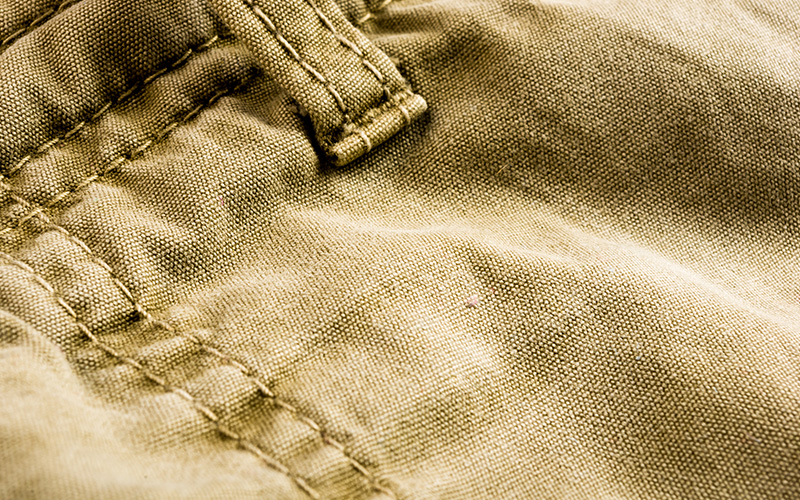
Why Ramie Blends Are Perfect for Outdoor Wear
Ramie blends are ideal for outdoor wear because of their unique combination of benefits. Here’s why they stand out:
- Breathability and Comfort:
- Porous structure allows air to circulate and enhances moisture-wicking.
- Absorbs 121 TP3T of moisture to keep wearers dry and comfortable.
- Cool to the touch and ideal for activewear or summer jackets when blended with stretchy fibers such as elastane.
- Durability and Strength:
- Stronger than cotton (6–8 times stronger when dry, and even stronger when wet).
- Resists stretching and tearing due to the crystalline structure of cellulose.
- Retains its shape over time, making it ideal for outdoor clothing that is used repeatedly.
- Ramie-cotton and ramie-polyester blends offer a balance of strength and flexibility.
- Bacterial Resistance:
- Natural antibacterial properties help prevent odors and mildew.
- Resists bacterial decay It outperforms most organic fibers, making it ideal for multi-day activities such as camping and hiking.
- You don't need to wash it as often, so it stays fresh longer.
- Eco-Friendly Features:
- Low pesticide use, and it can be harvested multiple times from a single root system.
- Biodegradable and cellulose-based, thereby reducing microplastic pollution.
- Supports sustainable clothing choices with a reduced environmental impact.
- Natural Luster and Sheen:
- Silk-like sheen enhances the fabric's appearance with a natural sheen.
- Reflective surface It brightens colors and keeps clothes looking neat.
- Blended with matte fibers like cotton to balance shine and softness for a refined yet natural look.
How Ramie Blends Outperform Other Fabrics
Ramie Blends Combine plant-based tensile strength combined with the comfort of other fibers to produce fabrics that perform well in outdoor clothing and summer clothing. Ramie fibers have a tensile strength of approximately 50–60 cN/tex, nearly twice that of cotton. Because of this, garments made from ramie retain their shape and resist tearing even with frequent wear and washing.
When ramie is blended with cotton or polyester, the resulting fabric becomes both breathable and wrinkle-resistant. Ramie’s hollow microstructure allows air to circulate more easily, improving comfort in warm weather. For the wearer, this means summer dresses and shirts stay cooler and drier during outdoor activities.
In moisture control, Ramie’s cellulose structure absorbs water quickly but dries faster than linen. In practice, this means that lightweight fabrics that stay fresh longer, even in humid or high-activity environments. Polyester reinforcement adds Wrinkle Recovery, which helps garments stay neat without requiring extra care.
| Blend Type | Main Benefit | Typical Uses |
| Ramie–Cotton (55/45) | Soft, breathable, and stable | Shirts, summer clothing |
| Ramie–Polyester (70/30) | Wrinkle-resistant, durable | Workwear, outdoor jackets |
| Ramie–Silk (30/70) | Smooth drape, sheen | Summer dresses, scarves |
Because of its high cellulose crystallinity (around 70%), Ramie resists fabric deformation during movement or washing. For the wearer, this means the garment retains its shape longer, offering a balance between performance, comfort, and practicality Suitable for both casual and practical outdoor use.
How to Choose the Right Ramie Blend for Your Outdoor Gear
Choosing the right ramie blend depends on the intended use and the specific performance requirements of the gear.
- For hiking or travel shirts in warm weather, a 55% ramie / 45% cotton Blend provides breathability and quick moisture evaporation, helping to keep the wearer dry. Cotton softens the fabric, reducing the stiffness of pure ramie.
- For workwear or field jackets, a 70% ramie / 30% polyester This blend is durable and resistant to wrinkles and abrasion, and it retains its shape even after frequent washing and exposure to sunlight.
- For lightweight outer layers, a 30% ramie / 70% silk Blend offers flexibility, softness, and moisture-wicking properties, making it ideal for mild climates.
Each ramie blend promotes sustainability, as ramie is biodegradable and plant-based. Even a partial ramie content helps reduce the environmental impact compared to fully synthetic fabrics. This makes ramie blends a functional and eco-friendly choice for a variety of outdoor and performance apparel.
Tips for Care and Maintenance
Here is a list of care instructions for ramie used in performance and outdoor clothing:
- Washing:
- Hand wash or use a gentle machine cycle.
- Use cold or lukewarm water with a mild detergent (no bleach or fabric softeners).
- Ramie loses its strength when wet, so gentle washing helps protect the fibers.
- Drying:
- Air-dry in the shade to preserve texture and shape.
- For faster drying, tumble dry on low heat and remove while still slightly damp to prevent stiffness.
- Avoid high heat, as it can cause the fibers to shrink or harden.
- Ironing:
- Use medium heat with steam or a pressing cloth to smooth out wrinkles without flattening the weave.
- A slight amount of moisture during pressing helps preserve the natural luster.
- Storage:
- Store garments in breathable cotton bags once they are clean and completely dry.
- Avoid plastic containers, as they trap moisture and can damage the fibers.
- Fold or hang in a cool, dry place to maintain its shape.
- Sustainability:
- Gentle washing and air drying reduce the environmental impact.
- These practices support eco-friendly fashion by extending the life of garments and reducing energy consumption.

Frequently Asked Questions
What is ramie blend fabric?
A ramie blend fabric combines ramie—a bast fiber from the Boehmeria nivea plant—along with other fibers such as cotton, polyester, or silk. Manufacturers use this approach to improve comfort, reduce stiffness, and adjust wrinkle resistance.
Because ramie fibers have a high crystalline cellulose content (about 70–75%), they resist stretching and retain their shape. When blended with cotton, they become softer; when blended with polyester, they become more wrinkle-resistant; and when blended with silk, they gain luster and drape. For the wearer, this means fabrics that remain breathable while retaining their shape after washing or prolonged use.
Is ramie fabric good for hot weather?
Yes. Ramie has a hollow fiber structure that promotes airflow and rapid moisture release. Its high breathability helps the body stay cooler by allowing heat and sweat to escape faster than in tightly woven synthetic fabrics.
In warm weather, ramie is blended with cotton or silk to keep garments light and comfortable. The material also dries quickly because its cellulose fibers efficiently absorb and release water. As a result, ramie blends are ideal for outdoor shirts, summer dresses, and travel clothing that require quick-drying properties.
What are the disadvantages of ramie fabric?
Ramie fibers are naturally stiff and can break if bent sharply, which affects their flexibility during weaving and wear. To address this, producers often soften the fibers through chemical or mechanical finishing, although this increases costs and processing time.
Pure ramie fabrics also wrinkle more easily than synthetic options. When blended with polyester or treated with fabric softeners, their resistance to wrinkles improves. However, differences in dye absorption between ramie and the other fibers in the blend can lead to uneven color or texture. For consumers, this means that ramie clothing generally performs best when cared for with moderate care, such as gentle washing and low-temperature ironing.

Chisato Ogino
Chisato Ogino, from Kaga City, Ishikawa Prefecture, is a graduate of Kanazawa Gakuin College and the College of Fashion Designers. With extensive experience in Apparel Design and Premium Textile Development, she has served as Chief Designer at Sanyo Corporation (VINVERT) and collaborated with leading brands such as MUJI, World, and CHISATO PLANNING.
Chisato specializes in Innovative Materials Research and Exhibition Planning for major companies, and has also served as a consultant and lecturer for industry organizations.
Want to Learn More About Our Products?
View All Products Now