Leading Global Ramie Manufacturers: Market Overview and Key Players

Jump to section
There is a growing demand for strong, plant-based fibers that help make supply chains more sustainable. Ramie and other natural fibers now play a significant role in textiles, home goods, and even some industrial applications.
Leading global manufacturers of ramie and natural fibers supply high-strength, biodegradable fibers while investing in modern processing and responsible sourcing. Most major producers are concentrated in the Asia-Pacific region, where large-scale cultivation and processing ensure a steady global supply, as shown in the Global Ramie Fiber Market.
These manufacturers produce ramie, adopt new processing methods, and carefully source raw materials. Key regions, major applications, and future growth trends all influence sourcing and business decisions.
Overview of Ramie
What Is Ramie?
Ramie comes from the inner bark of the Boehmeria nivea plant. Farmers mainly grow it in Asia, where warm, humid climates help it thrive.
The plant can be harvested several times a year, ensuring a reliable supply. Textile producers value ramie for its long history in fabric production, with uses ranging from clothing to home textiles for centuries.
Recent interest in sustainable materials has brought ramie back into the spotlight as a low-impact option in modern supply chains, as described in Global Ramie Production and Market Trends. Ramie is biodegradable and plant-based, making it a solid choice for anyone looking to move away from synthetic materials.
Key Properties of Ramie
Ramie is one of the strongest natural fibers available. Its high tensile strength helps fabrics retain their shape and resist tearing.
The fiber has a natural sheen that gives textiles a crisp, clean look. Some key properties:
- High strength, even when wet
- Low elasticity, so it doesn't stretch much
- Good moisture absorption, which helps fabrics feel cool
- Resistance to bacteria and mold
Ramie wrinkles easily when used on its own, so manufacturers often blend it with other fibers. Advances in processing have improved its softness and usability, making ramie more competitive with other materials, as noted in research on the The Rise of Ramie in Eco-Friendly Fiber Markets.
Comparison with Other Natural Fibers
When selecting materials, ramie is often compared to cotton, linen, and jute. Each fiber is suited for a different purpose based on its performance or cost.
| Fiber | Strength | Feel | Common Uses |
| Ramie | Very high | Crisp, smooth | Apparel blends, home textiles |
| Cotton | Medium | Soft | Everyday Clothing |
| Linen | High | Cool, textured | Summer clothing, table linens |
| Jute | High | Coarse | Bags, ropes, carpets |
Ramie is superior to cotton in terms of strength and moisture management. It has the same cool feel as linen and offers a greater sheen. Blending ramie with other fibers helps balance comfort, durability, and appearance, which supports product variety in the Ramie Fiber Market.
Global Market Leaders in Ramie
Clear leaders in the ramie and natural fibers sectors stand out based on their scale, export reach, and brand strength. Production centers are concentrated in Asia, while export demand is highest in Europe and Japan.
A smaller group of brands sets the standards for quality and supply. The largest ramie producers are based in East and Southeast Asia. China leads by a wide margin, supplying most of the global demand.
It accounts for over 90% of global output, thanks to long-established farms and processing mills, as shown in Global Ramie Production and Data on Supplier Countries. The Philippines, Brazil, and South Korea follow on a much smaller scale, focusing on fiber quality and stable yields.
Many manufacturers integrate farming and processing, which helps control fiber strength, color, and consistency. According to [source], the Asia-Pacific region holds the largest market share due to this production base. Regional Ramie Fiber Market Analysis.
Leading Exporters and Their Markets
Most ramie exports are shipped from Asia to higher-value markets. Europe and Japan are the leading importers, attracted by breathable, natural fabrics with traceable origins.
Exporters tailor fiber grades for apparel, home textiles, and blends with cotton or linen. China remains the top exporter by volume, while the Philippines and Brazil cater to niche buyers who value specialty fibers.
Export growth is keeping pace with rising demand for sustainable materials, as outlined in the Global Ramie Fiber Market Growth Outlook. Common export destinations include:
- Japan: Fine Apparel and Summer Fabrics
- Western Europe: eco-friendly fashion and home goods
- South Korea: Blended yarns and industrial applications
Notable Industry Brands
The industry includes a mix of large processors and specialized natural fiber suppliers. Some companies handle ramie along with banana and pineapple fibers, which allows them to maintain year-round production capacity and attract a broader customer base.
A current snapshot of active players appears in the List of Leading Ramie, Banana, and Pineapple Fiber Companies. These brands stand out for:
- Consistent Fiber Grading For export buyers
- Vertical Integration From Field to Yarn
- Compliance with Textile Traceability Regulations
Working with these suppliers ensures consistent supply volumes, export-ready documentation, and fibers that blend well with other natural materials.
Manufacturing Processes and Innovations
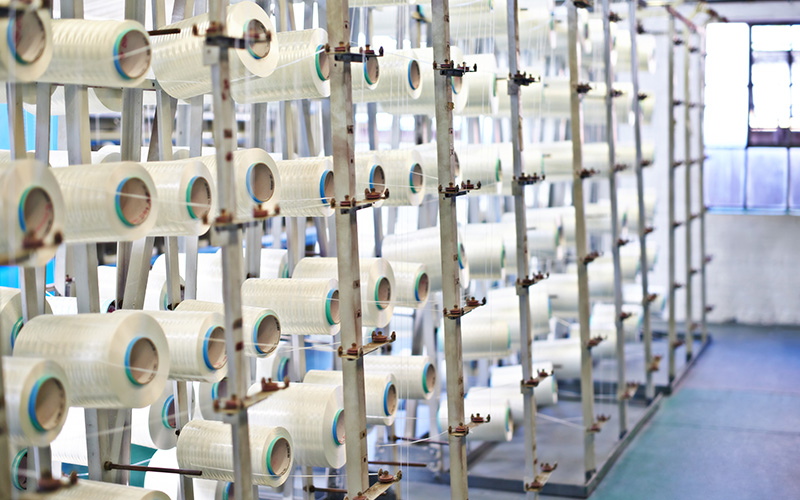
Steady progress is being made in the process of transforming ramie and other natural fibers from raw material to fabric. Producers are focusing on cleaner processing methods, stricter quality controls, and practical technologies that improve yield and consistency.
Advanced Processing Techniques
Modern processing methods preserve fiber strength and reduce waste. Mechanical decortication removes bark faster and with less damage than manual stripping.
Many plants combine this process with enzyme retting, which breaks down the gums without the use of harsh chemicals. Controlled drying keeps the fibers straight and uniform, which is important because ramie can become brittle if dried too quickly.
Common Treatment Methods and Outcomes
| Technique | Main Purpose | Key Benefit |
| Mechanical decortication | Separate the fiber from the stalk | Higher output |
| Enzyme retting | Remove pectin and gums | Cleaner fiber |
| Controlled drying | Maintain moisture levels | Greater strength |
These methods support larger-scale output, as seen in Global Ramie Production and Supply Chains.
Quality Control Standards
Strict quality control ensures that both buyers and export regulations are met. Manufacturers test fiber length, tensile strength, and moisture content at various stages.
Laboratories test for residues to ensure compliance with eco-label and textile safety limits. Batch tracking plays a key role, allowing companies to trace fibers back to farms and manage crop variation or audits.
Asia-Pacific producers, who dominate much of the market, invest heavily in these systems, as shown by regional market share data. Common quality checks include visual grading for color and uniformity, laboratory testing for strength and fineness, and moisture control prior to packaging.
These steps reduce rejection rates and build trust with textile mills.
Technological Developments
Digital tools are becoming increasingly common in natural fiber mills. Automation now handles fiber opening, combing, and packing, which reduces manual labor and ensures consistent fiber dimensions.
Some producers use data tools and AI to optimize retting time and energy consumption. These systems adjust settings based on fiber condition and weather, a shift toward smarter production noted in the Ramie Fiber Market Growth Outlook.
Blending technology also plays a role. New spinning methods combine ramie with cotton or synthetic fibers to enhance softness and reduce wrinkling. This broadens its applications in apparel, home textiles, and technical fabrics, all without altering the core fiber structure.
Raw Material Sourcing and Sustainability
Suppliers are evaluated based on how they source raw fiber, protect workers, and minimize harm to the land. Leading ramie and natural fiber manufacturers demonstrate clear controls across farms, mills, and transportation.
They rely on traceable supply chains, verified farming practices, and recognized labels to demonstrate their results.
Ethical Supply Chain Practices
Suppliers that manage risk from the field to the factory set themselves apart. Many leading producers trace fiber back to farms and processors, then audit labor conditions, wages, and safety.
China supplies most of the world’s ramie, which creates supply and political risks if brands rely on a single country. Some manufacturers are now balancing their sourcing across China, India, and Brazil to reduce disruptions, as shown by data on Top Ramie-Producing Countries and Export Risks.
Common controls include:
- Farm-level contracts in accordance with wage and safety regulations
- Third-Party Audits of mills and traders
- Batch Tracking From Raw Stalk to Finished Fiber
These steps protect workers and improve delivery reliability.
Sustainable Farming Initiatives
Manufacturers who invest in ramie cultivation create real value. Ramie requires fewer chemicals than many other fibers and regrows from the same roots, which reduces pressure on land.
Studies comparing fibers show that ramie’s lower life-cycle impact versus synthetic materials, especially at the end of their life cycle, as explained in research on the Sustainability of Ramie Fiber.
Many suppliers support farms by:
- Programs to Reduce Pesticide Use
- Water Reuse During Retting
- Soil Health Training to keep yields stable
Demand is rising as brands shift to natural fibers, in line with trends in the Global Ramie Products Market.
Certifications and Eco-Labels
Certifications allow brands to verify claims without conducting their own audits. Leading manufacturers tend to follow recognized standards that cover farms, processing, and chemicals.
Guides on sustainable sourcing of natural fibers Show why verified systems are important for consistency and trust.
Key labels that appear most frequently:
- GOTS for organic and social criteria
- OEKO-TEX® for chemical safety
- ISO 14001 for environmental management
When suppliers display these labels, proof of compliance is clearer, and reporting becomes simpler for buyers and regulators.
Applications Across Industries
Ramie and other natural fibers are used in applications where strength, breathability, and a low environmental impact are important. Manufacturers supply fashion brands, industrial buyers, and new markets seeking durable, biodegradable materials.
Textile and Apparel Applications
Ramie is most commonly found in clothing and home textiles. It has high tensile strength, a natural sheen, and Good moisture control.
These characteristics help fabrics retain their shape and remain comfortable in warm weather. Brands blend ramie with cotton or linen to reduce wrinkles and extend the fabric's lifespan.
It is used in shirts, dresses, table linens, and upholstery. Demand continues to grow as buyers seek plant-based fibers with a long service life, as noted in coverage of Applications of Ramie Fiber Textiles.
Luxury and premium brands turn to ramie when they want crisp textures and clean finishes. Suppliers focus on consistent fiber length and clean processing to meet these needs.
Common Uses of Textiles
- Woven Shirts and Blouses
- Home linens and curtains
- Decorative fabrics and trims
Industrial and Technical Applications
Ramie is also used in industrial products where strength is more important than softness. The fiber resists bacteria and withstands tension, making it ideal for ropes, cords, and canvas.
In composites, manufacturers use ramie to replace some synthetic fibers. This shift enables the production of lighter parts with a lower environmental impact, as discussed in research on ramie fibers and composite materials.
| Application | Why Ramie Works |
| Ropes and Nets | High strength, low stretch |
| Industrial canvas | Durable, breathable |
| Fiber composites | Renewable, lightweight |
Materials that balance performance with biodegradability are gaining popularity.
Emerging Market Trends
Market growth is being driven by sustainability regulations and consumer preferences. Brands and manufacturers are investing in traceable supply chains and certified processing.
Market reports highlight rising demand for fashion, home, and industrial goods in the Global Ramie Fiber Market. Producers are improving degumming and spinning processes to reduce costs and enhance quality.
New blends and finishes continue to emerge, expanding the range of applications without altering the fiber’s core characteristics. Investors are keeping a close eye on ramie as it gains attention in the eco-focused materials sector, reflecting broader interest in eco-friendly natural fibers.
Regional Insights and Key Production Hubs
Ramie production is concentrated in a few regions that control supply, quality, and pricing. There are clear differences in scale, standards, and end uses across the Asia-Pacific region, Europe, and the Americas.
Asia-Pacific Manufacturing Clusters
The Asia-Pacific region leads global ramie production. The region accounts for nearly half of global revenue, led by China and India, based on Asia-Pacific Ramie Fiber Market Share Data.
China dominates the processing of raw fiber and yarn spinning. India specializes in blended textiles and apparel.
Dense supplier networks and lower unit costs make a difference here. Driven by demand for sustainable textiles, many producers are now focusing on traceability and cleaner processing.
Industry reports highlight growing interest in ramie due to its low environmental impact and durability, as shown in Ramie Fiber Market Sustainability Trends.
Key Strengths in the Asia-Pacific Region
- Large-scale fiber supply
- Flexible Minimum Order Quantities
- Growing Adoption of Certification
European Producers
European producers step in when quality control and compliance are most critical. These manufacturers focus on refined yarns, specialty fabrics, and technical blends—not just raw fiber.
Europe has a smaller market share but maintains stable demand, supported by premium textile brands. There is strong alignment with circular economy goals and strict labor standards.
Many companies invest in transparent supply chains and advanced finishing methods. This approach aligns with long-term growth expectations for the sector, as reflected in Global Ramie Fiber Market Growth Forecasts.
European ramie is often more expensive, but it offers consistent specifications, reliable lead times, and easier regulatory approval for finished goods.
Developments in the Americas
Brazil is the leading supplier of ramie in the Americas, thanks to its combination of a favorable climate and agricultural expertise. Production volumes remain lower than those in Asia, but capacity continues to improve.
Interest is growing among apparel and home textile brands seeking regional sourcing. Market analysis shows steady expansion in Latin America as demand for ramie—a durable and biodegradable fiber—rises, according to Insights into the Growth of the Ramie Fiber Industry.
Typical Uses in the Americas
- Workwear and Uniforms
- Upholstery and Home Textiles
- Blended natural fiber fabrics
Shorter shipping routes and reduced supply chain risk are beneficial when serving Western markets.
Future Outlook for Ramie and Natural Fiber Manufacturing
The market is experiencing steady growth, rising demand for sustainable materials, and pressure to adapt its operations. Ramie and other natural fibers are moving beyond niche applications and into broader textile, home, and industrial markets.
Predicted Market Growth
Ramie and natural fiber production is expected to grow steadily over the next decade. Market data indicates that the global ramie fiber market is growing at a moderate pace, driven by sustainability goals and the need for high-performance materials.
One industry analysis projects that the market will continue to grow through 2031 as buyers seek durable and biodegradable fibers, as shown in this Global Ramie Fiber Market Forecast.
Key growth drivers include:
- Rising Demand for Natural Fibers in apparel and home textiles
- Blended-fiber fabrics that combine ramie with cotton or synthetic fibers
- Industrial Applications that rely on strength and moisture resistance
Gradual increases in capacity seem more likely than sudden spikes.
Evolving Consumer Preferences
Buyers now care about both performance and environmental impact. Consumers are increasingly choosing textiles that align with their environmental values, prompting brands to source plant-based fibers.
Ramie stands out because it is biodegradable and requires fewer chemical inputs than many alternatives, as noted in this Market Demand Analysis for Ramie Fiber.
Aligning fiber quality with clear sustainability claims provides a real advantage.
Challenges and Opportunities Ahead
There is a balance between opportunity and real constraints. Supply chains remain sensitive to weather, labor costs, and processing capacity.
Past disruptions continue to affect planning, particularly in fiber extraction and export, as discussed in this Future Outlook for the Ramie Fiber Market.
At the same time, new opportunities are emerging:
- Process Improvements that reduce waste and energy consumption
- Partnerships with Premium Brands Seeking Ethical Materials
- Product Innovation Using ramie blends to create new textures
Investing in efficiency and consistent quality puts a business in a strong position for long-term stability.
Frequently Asked Questions
How is the natural fiber market segmented by type, and where does ramie fit in?
The natural fiber market is divided into plant fibers, animal fibers, and mineral fibers. Plant fibers include cotton, flax, hemp, jute, and ramie—all of which come from crops, not animals.
Ramie is a type of plant fiber that stands out for its high strength and pristine white appearance. Market data shows that demand for ramie is growing as brands seek alternatives to cotton in apparel and home textiles, particularly in clothing applications within the Ramie Fiber Market.
What are the environmental impacts of growing and producing ramie compared to other natural fibers?
Ramie requires fewer chemicals than many conventional crops. The plants are highly resistant to pests, so farmers use fewer pesticides during cultivation.
Unlike synthetic fibers, ramie breaks down naturally at the end of its life. Many manufacturers promote it as a sustainable textile option, as described in Sustainability Trends in Ramie Fiber.
Can you list the top countries that produce and export natural fibers, including ramie?
Most ramie is produced in Asia. The climate there, combined with the availability of labor, makes large-scale farming possible.
China is the world's leading producer of ramie. India, Indonesia, and the Philippines also make significant contributions to the market.
These regions also export cotton, jute, and other plant fibers. The Asia-Pacific region truly dominates the Global Ramie Production and Supply Chains.

Chisato Ogino
Chisato Ogino, from Kaga City, Ishikawa Prefecture, is a graduate of Kanazawa Gakuin College and the College of Fashion Designers. With extensive experience in Apparel Design and Premium Textile Development, she has served as Chief Designer at Sanyo Corporation (VINVERT) and collaborated with leading brands such as MUJI, World, and CHISATO PLANNING.
Chisato specializes in Innovative Materials Research and Exhibition Planning for major companies, and has also served as a consultant and lecturer for industry organizations.
Want to Learn More About Our Products?
View All Products Now