Ramie vs. Linen vs. Hemp: A Performance-Based Comparison of Bast Fibers for Sustainable Textiles
Jump to section
Ramie vs. Linen vs. Hemp: A Performance-Based Comparison of Bast Fibers for Sustainable Textiles
Ramie, linen, and hemp are all derived from plant fibers, but each has its own unique qualities. Linen strikes a balance between durability and softness; ramie offers a silky sheen and retains its shape well; and hemp stands out for its eco-friendliness and durability.
Each fiber meets specific needs in terms of comfort, performance, and environmental impact. So, it makes a lot of sense to understand their differences before making a choice.
These days, natural fabrics are replacing synthetic ones in fashion and home goods. Ramie comes from the stalks of the ramie plant, linen from flax, and hemp from cannabis.
Since each crop requires different resources and processing methods, you’ll notice differences in their environmental footprints and fabric qualities. It’s not just about appearance—it’s about how the fabric feels and holds up over time.
This guide compares ramie’s glossy finish with linen’s breathable smoothness and hemp’s rugged strength. I’ll explain how these characteristics affect durability, moisture management, and overall comfort.
Ramie – The Shiny, Strong, and Versatile Fiber
Ramie comes from the Boehmeria nivea A plant also known as Chinese nettle. Harvesters strip, degum, and spin its fibers into thread.
Raw ramie contains natural resin and pectin, so manufacturers wash and remove these substances before weaving to create a smoother texture. The result? Ramie fibers have a fine, lustrous appearance, thanks to their naturally glossy surface and smooth cross-section.
This sheen is due to the fiber’s high cellulose content, which reflects light beautifully. Ramie fabric has a crisp, silky appearance—no additional finishes are needed.
Key Characteristics
| Property | Explanation |
| Strength | Ramie has one of the highest tensile strengths among plant fibers, measuring approximately 8.0 g/denier when dry. It can withstand tension and repeated washing without tearing. |
| Moisture Control | The fiber absorbs and releases moisture quickly due to its porous internal structure. This results in cool, breathable clothing that dries faster than cotton or linen. |
| Shape Retention | Ramie resists shrinkage and retains its shape due to its low elasticity. Garments maintain their shape even after washing. |
| Antibacterial Resistance | Its natural resistance to mold and bacteria reduces odor buildup, making it ideal for humid climates. |
Cons: Ramie fabric feels crisp at first but softens after processing or when blended with cotton and linen. It does wrinkle easily since it isn’t very stretchy, but clothing manufacturers often blend it with more flexible fibers to improve drape and comfort.
Use case: Ramie is a great choice for summer clothing, curtains, table linens, and eco-friendly blends. It’s not the softest fabric, but it certainly holds its shape well.
Linen – The Classic Choice for Elegance and Comfort
Linen comes from the flax plant (Linum usitatissimum), a crop that has been grown for thousands of years in places such as Belgium, France, and Egypt. Flax grows well in temperate climates and doesn’t require much in the way of pesticides, so it’s one of the more sustainable textile crops.
This means that linen production places less strain on the soil and water than many synthetic materials. The fiber’s The cellular structure contains hollow channels that quickly absorb and release moisture.
So, linen feels cool and dry against the skin, even in hot weather. Sweat evaporates quickly, keeping the wearer comfortable.
Linen also gets stronger when wet, so clothes and sheets can withstand frequent washing without losing their shape.
Cons: The linen feels slightly stiff at first, but it softens with use. Washing breaks down the natural pectins that bind the fibers, making the fabric more flexible over time while maintaining its structure.
Despite its comfort, linen wrinkles easily due to its low elasticity. But honestly, those natural creases are part of its charm—lots of people love that relaxed, worn-in look.
Hemp – The Eco-Warrior of Textiles
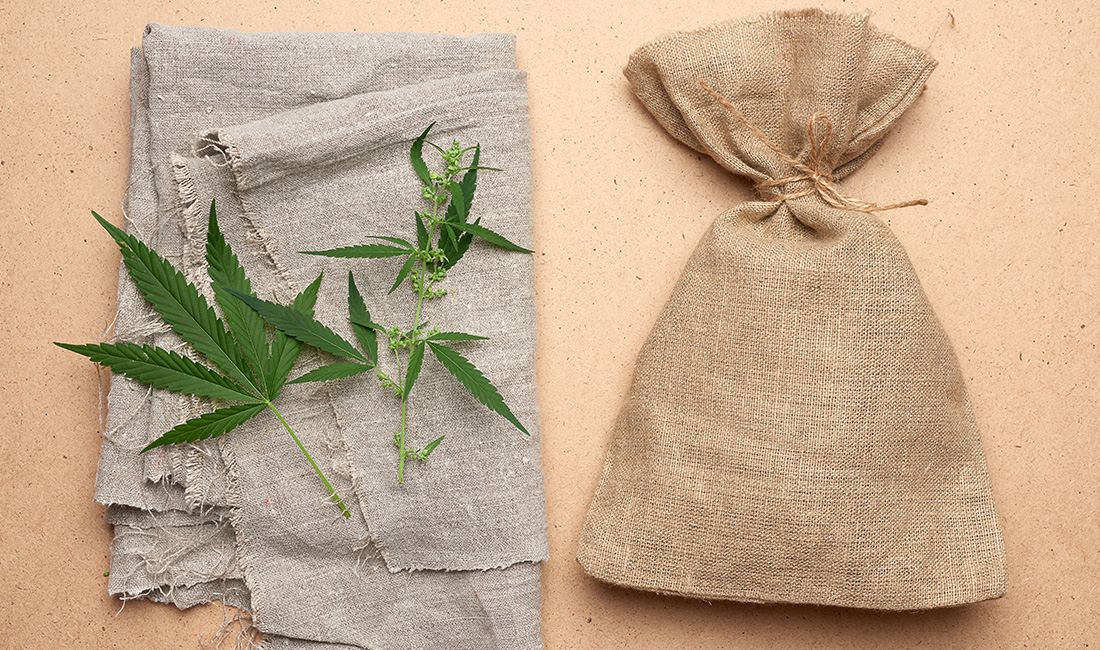
Hemp fiber comes from the stalks of the Cannabis sativa plant. People have used it for centuries throughout Asia and Europe to make rope, sails, and coarse fabrics.
Modern processing refines it into smoother yarns without compromising its strength. Hemp grows with minimal water and hardly any pesticides because its dense canopy naturally keeps weeds at bay.
Its deep roots improve soil health and reduce erosion, giving farmers healthier land for future crops. Hemp’s long cellulose strands give it incredible tensile strength—about eight times stronger than cotton.
This means that clothing and textiles made from hemp are tear-resistant and retain their shape even after many washes. Plus, the fiber’s hollow structure allows air to circulate, keeping it cool and breathable.
Advantages
- Durable: It remains durable even under heavy wear thanks to its long bast fibers.
- Breathable and Moisture-Wicking: Wicks wick away sweat effectively, so you don't overheat.
- UV-Resistant: Provides natural sun protection.
- Antibacterial: It slows bacterial growth, so fabrics stay fresher longer.
Limitations
- Texture: It feels coarse unless blended with softer fibers such as cotton or linen.
- Color Range: It doesn't absorb dye as easily, so the colors tend to look muted.
Use case: Outdoor fabrics, durable bags, and sustainable fashion—hemp really shines in rugged, practical items.
Ramie vs. Hemp vs. Linen: A Side-by-Side Comparison
Ramie, hemp, and linen all come from plants, and they are all breathable and strong. But each has its own source: ramie from the ramie plant, hemp from the cannabis plant, and linen from the flax plant. Their unique structures explain why they feel and perform so differently.
Ramie's long cellulose fibers give it a natural sheen and a slight stiffness. These fibers resist shrinking and wrinkles, so the fabric retains its shape well.
Hemp fibers are thicker and contain natural lignin, which adds strength. This makes hemp fabrics durable and tear-resistant—perfect for outdoor and work clothing.
Linen falls right in the middle, striking a balance between softness and structure thanks to its smoother, slightly elastic fibers. Air flows easily through linen, keeping you cool in the heat.
FAQ
Is ramie the same as linen?
Nope, they’re not the same. Ramie comes from the stalks of Boehmeria nivea, which is a type of nettle plant.
Linen, on the other hand, is made from the flax plant (Linum usitatissimum). Ramie fibers have a smoother and stiffer texture, so ramie fabric usually looks a little shinier and feels crisper than linen.
In everyday use, ramie wrinkles less but can feel a bit stiff when it’s new. Linen tends to be more flexible right away, but both have their quirks.
Can hemp fabric be soft?
It can, but it takes some effort. Raw hemp fibers are quite coarse because they have thick cellulose walls.
After undergoing some enzyme treatments or mechanical softening, the fibers break down slightly and end up feeling much smoother. Hemp clothes might feel a little stiff at first, but honestly, they soften up a lot after a few washes and still remain strong.
Which fabric is best for hot weather?
That depends on your personal preference. Hemp absorbs sweat quickly and wicks it away through its hollow fibers, which really helps with airflow.
Linen’s flat structure draws heat away from your skin, so it always feels cool to the touch. Ramie is also breathable, but it’s less flexible, so shirts or pants might feel a bit stiff when it’s extremely humid.

Chisato Ogino
Chisato Ogino, from Kaga City, Ishikawa Prefecture, is a graduate of Kanazawa Gakuin College and the College of Fashion Designers. With extensive experience in Apparel Design and Premium Textile Development, she has served as Chief Designer at Sanyo Corporation (VINVERT) and collaborated with leading brands such as MUJI, World, and CHISATO PLANNING.
Chisato specializes in Innovative Materials Research and Exhibition Planning for major companies, and has also served as a consultant and lecturer for industry organizations.
Want to Learn More About Our Products?
View All Products Now