Eco-Certified Natural Ramie Fiber Producers
Jump to section
Natural fibers that meet genuine environmental standards are more important than ever. Eco-certified natural ramie fiber producers grow and process ramie in accordance with verified guidelines that limit the use of chemicals, protect the soil, and track materials throughout the supply chain.
These producers prioritize strength, durability, and a lower environmental impact from field to fabric. Certification bodies establish clear standards and actually enforce them—a factor that makes a significant difference.
Most eco-certified ramie comes from China, and demand for traceable, breathable textiles is growing rapidly in Europe and Japan. Sustainable farming, careful harvesting, and cleaner processing all play a significant role in shaping the final fiber.
Overview of Eco-Certified Natural Ramie Fiber
Eco-certified ramie fiber offers superior performance and clear environmental standards. This plant-based fiber meets verified standards for safety, sourcing, and production, while providing durability and comfort.
Definition and Properties of Ramie Fiber
Ramie comes from the bast fibers of Boehmeria nivea, a perennial plant. It is one of the strongest natural fibers used in textiles.
It resists bacteria, retains its shape, and remains strong even when wet. The fiber feels crisp and breathable, making it a great choice for warm weather and blended fabrics.
Pure ramie can wrinkle, but blending it with cotton or wool improves its flexibility and drape. Key properties:
- High tensile strength for long-lasting wear
- Low stretch for shape retention
- Natural luster similar to linen
- Good moisture absorption for comfort
Eco-Certification Standards for Ramie
Eco-certification assesses how growers and mills manage chemicals, labor, and waste. These standards allow buyers to verify claims and reduce sourcing risk.
Common certifications include:
| Standard | What It Verifies |
| OEKO-TEX® Standard 100 | The finished fabric is free of harmful substances |
| GOTS (if applicable) | Organic Fiber Content and Clean Processing |
| ISO 14001 | Environmental Management Systems at Mills |
Certifications often cover pesticide limits, wastewater treatment, and traceability. Not all labels apply to farming, so it’s worth checking what each standard entails.
Environmental Benefits of Ramie
Ramie grows quickly and requires less water than many other fiber crops. The plant often requires fewer pesticides because it is naturally resistant to pests.
It allows for repeated harvesting without replanting, which reduces soil disturbance and farm inputs. Manual or low-impact harvesting also reduces energy consumption.
Environmental benefits:
- Lower water demand than cotton in many regions
- Reduced use of chemicals using good farming practices
- Long fiber life, cutting, replacement, and waste
- Biodegradable fiber at the end of its useful life
Eco-certified systems reinforce these benefits by enforcing limits and conducting audits throughout the supply chain.
Leading Eco-Certified Natural Ramie Fiber Producers
Certified ramie suppliers prioritize verified standards, consistent quality, and traceable supply chains. The leading producers combine on-site quality controls, clean processing, and reliable export capacity.
GOTS, Fair Trade, Oeko-Tex
Producers with GOTS, Fair Trade, or Oeko-Tex Standard 100 Certifications set these products apart. These labels confirm limits on chemicals, safe working conditions, and fiber traceability.
GOTS-certified ramie suppliers manage farming, retting, and spinning under a single system. This reduces risk and improves consistency.
Fair Trade certification establishes clear labor standards and ensures price transparency at the farm level. Oeko-Tex focuses on product safety, verifying that finished fibers meet strict limits for harmful substances.
Top Global Manufacturers
Most large-scale ramie producers are based in Asia, where the climate and local expertise enable high yields. China leads global production and invests heavily in cleaner extraction and fiber grading systems.
Several manufacturers supply long-staple ramie for premium textiles. They focus on strength, natural luster, and wet durability.
Some suppliers blend ramie with cotton or linen to enhance softness and reduce costs. These companies supply high-end brands that require a stable supply and complete documentation.
Many operate integrated facilities, from fiber extraction to spinning, which improves quality control. What leading manufacturers offer:
- Consistent fiber length and strength
- Bulk orders with consistent lead times
- Complete compliance records for audits
Regional Market Leaders
Regional leaders are a good fit for brands that need flexibility or place smaller orders. China dominates the market, but smaller producers in Southeast Asia serve niche and specialty markets.
Regional suppliers often focus on manual harvesting and low-input farming. This reduces the use of chemicals and supports environmental claims.
These producers are a good fit for brands that value storytelling, origin, and farmer engagement. Local leaders also respond quickly to custom specifications, such as fiber fineness or moisture limits.
Key regional strengths:
- Faster Customization
- Direct partnerships with farmers
- Strong sustainability narratives
Major Exporters
Major exporters handle compliance, packaging, and logistics with care. China accounts for the majority of global export volume and ships to Europe, Japan, and North America.
Top exporters maintain certified warehouses and keep clear records of each batch. This facilitates customs clearance and brand audits.
Many provide test reports on tensile strength and residue limits. Export-oriented suppliers invest in improved cleaning and grading processes, which reduce waste at the mill and lower overall costs.
| Export Focus | Key Advantage |
| Europe | High Demand for Certification |
| Japan | Strict quality tolerance |
| North America | Large-volume contracts |
Sustainable Cultivation and Harvesting Practices
Farming methods that protect the land, water, and workers while maintaining high fiber quality are essential. Certified ramie producers focus on organic inputs, careful water use, and long-term soil management to meet strict standards.
Organic Farming Techniques
Ramie is grown with limited or no synthetic chemicals on many certified farms. Integrated Pest Management It controls insects using traps, natural predators, and crop timing, thereby reducing pesticide use and lowering the risk to workers.
Weed management depends on manual removal and mulching instead of herbicides. Farmers often rotate ramie with legumes to reduce pests and add natural nitrogen.
Common organic practices:
- Manual harvesting to preserve fiber quality and reduce fuel consumption
- Natural Fertilizers such as compost and plant waste
- Field Monitoring to detect pests early and take quick action
These steps support certification standards and help nearby ecosystems.
Water and Resource Conservation
Irrigation is planned to align with the growth cycle of ramie. The crop requires less water than many other fiber crops, but the timing is crucial.
Drip or furrow irrigation systems deliver water directly to the roots and minimize runoff. Some producers treat wastewater before discharging it to protect streams and soil.
Key conservation actions:
- Rainwater Harvesting for dry periods
- Scheduled Irrigation based on soil moisture
- Energy Control during decortication and degumming
These controls keep resource consumption low while maintaining consistent yields.
Soil Health Management
Soil protection is important because ramie draws nutrients from the soil over multiple harvests. Certified farms test the soil frequently and adjust their inputs to prevent soil depletion.
Adding organic matter keeps the soil loose and active. Compost and crop residues feed the microbes that improve nutrient uptake.
Soil-focused practices:
- Cover Crops to prevent erosion and retain moisture
- Reduced tillage to protect soil structure
- Balanced Nutrition Plans based on test results
Healthy soil leads to stronger stems and improved fiber strength and consistency.
Processing Methods for Eco-Certified Ramie Fiber
Eco-certified ramie is produced using controlled processing methods that preserve fiber quality and minimize harm to water, soil, and workers. Producers carefully select between mechanical and chemical processes, as well as bleaching methods that leave no toxic residues.
Mechanical Versus Chemical Processing
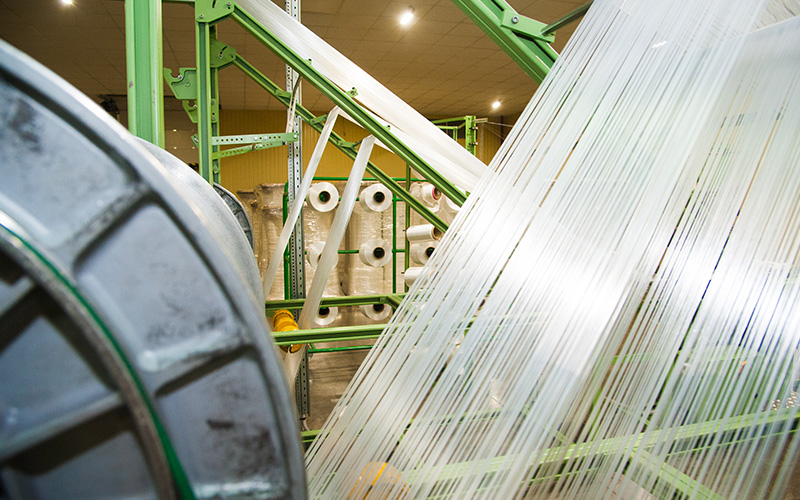
Most producers start with mechanical processing to separate the fibers from the ramie stalk. This step involves crushing, scraping, and washing.
Mechanical processing reduces chemical use and lowers the risk of wastewater contamination. It helps maintain the strength of the fibers, although some natural gums may remain.
After that, the producers choose chemical or bio-based degumming to remove residual gum. Eco-certified mills often opt for enzymatic or microbial degumming.
These methods operate at lower temperatures and reduce the generation of harsh effluents. Some facilities use controlled organosolv systems to target non-cellulose components while preserving fiber length.
| Method | Main Inputs | Environmental Impact |
| Mechanical | Water, Energy | Low chemical risk |
| Enzyme degumming | Enzymes, mild heat | Lower wastewater load |
| Conventional chemical | Alkali, heat | Greater treatment needs |
Low-Impact Bleaching Techniques
Bleaching enhances color without damaging the fiber or releasing toxic waste. Eco-certified producers do not use chlorine-based agents.
Hydrogen peroxide and oxygen-based bleaching ...are used instead. If managed properly, they break down into water and oxygen.
Some mills add enzyme-assisted bleaching to reduce the temperature and processing time. This helps keep the fiber strong and soft.
- Shorter bleaching cycles save energy
- Closed-loop water systems reduce discharge
- Strict pH control minimizes fiber damage
Applications and End Products
Eco-certified ramie fiber is ideal for products that require strength, breathability, and a low environmental impact. It is commonly used in textiles, durable household goods, and certain types of packaging where biodegradability is important.
Textile and Fashion Applications
Ramie is ideal for clothing where durability and breathability are important. Brands use it in shirts, dresses, linings, and summer suits.
The fiber is mold-resistant and retains its shape, so garments last longer. Designers blend ramie with cotton, linen, or silk to soften the texture and reduce wrinkles.
These blends enhance comfort while maintaining high strength. Ramie also takes dye well, so colors remain vibrant even after washing.
- Lightweight woven fabrics for warm climates
- Denim blends for added strength
- Interlinings and linings for structural purposes
Eco-certified suppliers provide traceable fiber that meets textile standards for skin contact and chemical limits. This is a must for clothing sold in regulated markets.
Home and Industrial Applications
Ramie is found in household items that need to withstand wear and tear. It is used in table linens, curtains, upholstery covers, and rugs.
The fiber withstands frequent washing and retains its crisp appearance. In industrial settings, ramie meets technical needs such as sewing threads, canvas, and reinforced fabrics.
Its high tensile strength helps products withstand stress. Some key advantages:
- High strength-to-weight ratio
- Resistance to bacteria and mold
- Reliable performance in humid environments
Manufacturers value eco-certified ramie for its sustainability benefits without compromising performance. It’s also nice to have consistent fiber quality from batch to batch.
Biodegradable Packaging
Ramie is used in niche packaging applications where reducing plastic use is a priority. Manufacturers spin it into cords, nets, wraps, and reusable sacks for food and consumer goods.
Ramie fibers break down naturally under composting conditions. This makes them well-suited for short-lived packaging and certain agricultural applications.
The material is tear-resistant, so it protects goods during transport. Typical packaging formats:
- Twine and binding cords
- Manufacture nets and bags
- Protective wraps for glass and ceramics
Eco-certified sources help verify biodegradability and responsible sourcing. This helps ensure compliance with packaging regulations and meets buyer expectations.
Market Trends and Future Outlook
The market is shaped by steady growth and changing buyer priorities. Producers that meet eco-certification standards gain better access to brands, regulators, and long-term contracts.
Growth Projections
The market is showing steady but uneven growth. Recent reports estimate the global ramie fiber market to be between $420 million and $1.27 billion, depending on what is included in the count.
Most forecasts indicate that moderate annual growth through 2030, primarily from sustainable textiles and niche performance fabrics. Ramie grows more slowly than cotton or polyester, but it maintains a steady role as a specialty fiber.
The strongest gains are seen in Asia, where farming skills and processing capacity are already in place.
- Expansion of Certified Natural Fibers
- Use in blends for strength and durability
- Demand from the apparel, home textiles, and industrial sectors
Consumer Demand for Eco-Certified Fibers
Buyers expect proof, not just claims. Brands want Verified Eco-Certifications, traceable farms, and clear data on pesticide and water use.
Ramie’s natural qualities help, but certification is what turns those qualities into actual purchasing decisions. Demand is also growing from smaller fashion labels and heritage textile producers.
They value ramie for its strength, luster, and biodegradability. Many buyers are willing to pay more if certification reduces compliance risk.
- Third-party environmental and labor certifications
- Clear supply chain records
- Consistent fiber quality across batches
Frequently Asked Questions
What certification processes do natural ramie fiber producers undergo for environmental verification?
Producers must pass audits that examine farming practices, fiber processing, and chemical use. These audits verify low pesticide use, safe water handling, and proper waste management.
Certifiers test the quality and traceability of the fiber. This process helps verify that the ramie comes from approved farms and complies with environmental regulations.
What are the sustainability benefits of using ramie fiber in textiles?
Ramie requires less water and fewer pesticides than most common crops. The plants grow well without extensive use of chemicals.
The fiber is strong and durable, which helps textiles last longer and reduces the need for frequent replacement.
Which global standards are used to certify the environmental friendliness of textile fibers, including ramie?
Standards typically focus on organic farming, chemical safety, and supply chain traceability. They set limits on harmful substances and require clear records.
Some certifications also evaluate labor practices and environmental management. This helps assess both ecological and social factors.
Can ramie fiber be considered a sustainable alternative for consumers looking to reduce their ecological footprint?
Ramie is a practical choice for those who prefer natural, biodegradable materials. Its production tends to have a less harmful impact on soil and water than that of most synthetic fibers.
This fiber’s strength, combined with its resistance to mold and insects, really enhances its appeal. These qualities can lead to longer-lasting products and reduced resource consumption in the long run.

Chisato Ogino
Chisato Ogino, from Kaga City, Ishikawa Prefecture, is a graduate of Kanazawa Gakuin College and the College of Fashion Designers. With extensive experience in Apparel Design and Premium Textile Development, she has served as Chief Designer at Sanyo Corporation (VINVERT) and collaborated with leading brands such as MUJI, World, and CHISATO PLANNING.
Chisato specializes in Innovative Materials Research and Exhibition Planning for major companies, and has also served as a consultant and lecturer for industry organizations.
Want to Learn More About Our Products?
View All Products Now